
By Huw Edwards
Some people leave their mark through fame. Others leave it through the quiet but lasting impact they make on the lives around them. My father, Neil Edwards, belonged firmly in the second category.
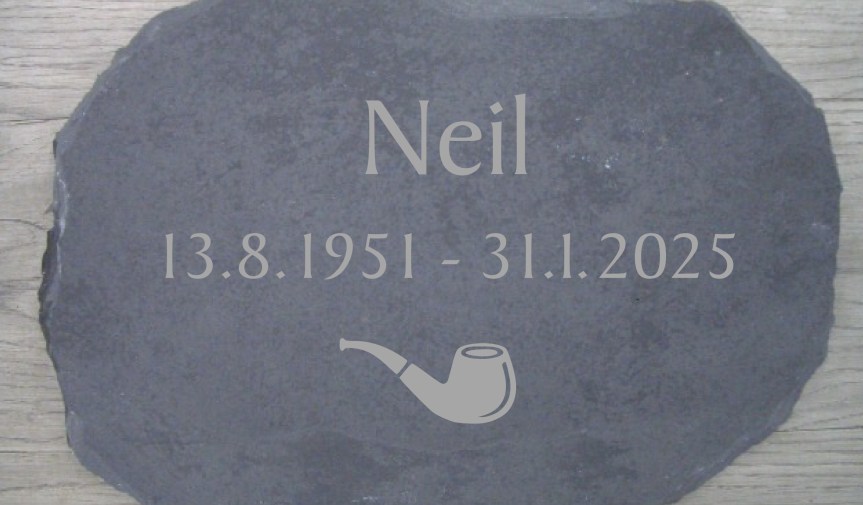
Born on 13 August 1951, Dad dedicated much of his professional life to public service and the principles of accountability, fairness and social justice. He passed away on 31 January 2025, and although time continues to move forward, his loss still feels incredibly recent. It is difficult to believe that less than a month before his death, I helped cook the final full Christmas Day meal he would eat. Following a number of serious health complications, his condition deteriorated rapidly in the weeks that followed.
While those final memories remain deeply personal, they are only one part of a much larger story. Dad’s professional career reflected many of the values he carried throughout his life: honesty, integrity, fairness and a determination to ensure that public institutions served the people who relied upon them.
A Career in Public Accountability
Perhaps the most publicly documented chapter of Dad’s career was his work as a District Auditor for the UK Audit Commission, where he was responsible for overseeing external audits of local authorities across Wales and South West England. He became particularly well known for his work examining the finances and governance arrangements of Liverpool City Council during a highly challenging period in the authority’s history.
The role of a District Auditor was not glamorous. It involved detailed examination of public accounts, investigation of financial controls and the sometimes uncomfortable task of identifying weaknesses that could place public money at risk. Dad approached this responsibility seriously, believing that accountability was essential to protecting public services and maintaining trust in local government.
Standing Up for Good Governance
One of Dad’s most significant professional contributions came through his scrutiny of Liverpool City Council’s financial systems during the early 1990s. His reports highlighted serious weaknesses in accounting procedures, record keeping and financial controls. He warned that weaknesses in housing benefit administration, poll tax systems and cash collection processes exposed the council to an unacceptably high risk of fraud and abuse.
His work was not simply about criticism. What made his approach distinctive was a willingness to acknowledge progress where it had been made. In a widely reported management letter published in 1993, he recognised improvements achieved by the council while simultaneously maintaining the professional independence required to highlight continuing concerns. He noted that Liverpool was becoming “significantly better placed to meet the challenges it faces” while continuing to press for further reforms.
This balance between scrutiny and fairness reflected Dad’s wider outlook on life. He believed that institutions could improve, but improvement only happened when people were willing to confront difficult truths honestly.
Looking Beyond the Headlines
The public record captures audit reports, management letters and professional judgements. What it cannot fully capture is the motivation behind them.
Throughout my life, I came to understand how strongly Dad believed in social justice, equality and fairness. These were not abstract political slogans to him. They were values that informed how he viewed society and how public services should operate. He believed that government institutions, councils and public organisations had a responsibility to use resources wisely and fairly for the benefit of everyone.
In many ways, his career as an auditor was an extension of those beliefs. Ensuring accountability was not simply about numbers on a spreadsheet. It was about protecting the public interest and helping ensure that services reached those who depended upon them most.
Lessons That Endure
As I reflect on Dad’s life, it is not only the professional achievements that stand out. It is the example he set.
He demonstrated that integrity matters, even when it is inconvenient. He showed that fairness requires consistency. And he proved that it is possible to challenge organisations constructively while still recognising the progress they make.
The qualities that made him a respected auditor were the same qualities that made him a respected father: honesty, thoughtfulness, conviction and a belief that doing the right thing is usually worth the effort.
Remembering Neil Edwards
The public record will remember Neil Edwards as a District Auditor who helped strengthen financial accountability in local government during a period of significant change.
I remember him as my Dad.
A man of principle. A believer in fairness. Someone who cared deeply about people and about creating a society that worked better for everyone.
Those values remain part of his legacy, not only in the reports he wrote or the councils he audited, but in the people whose lives he influenced along the way.
For those of us fortunate enough to know him personally, that legacy will endure far longer than any official document ever could.


