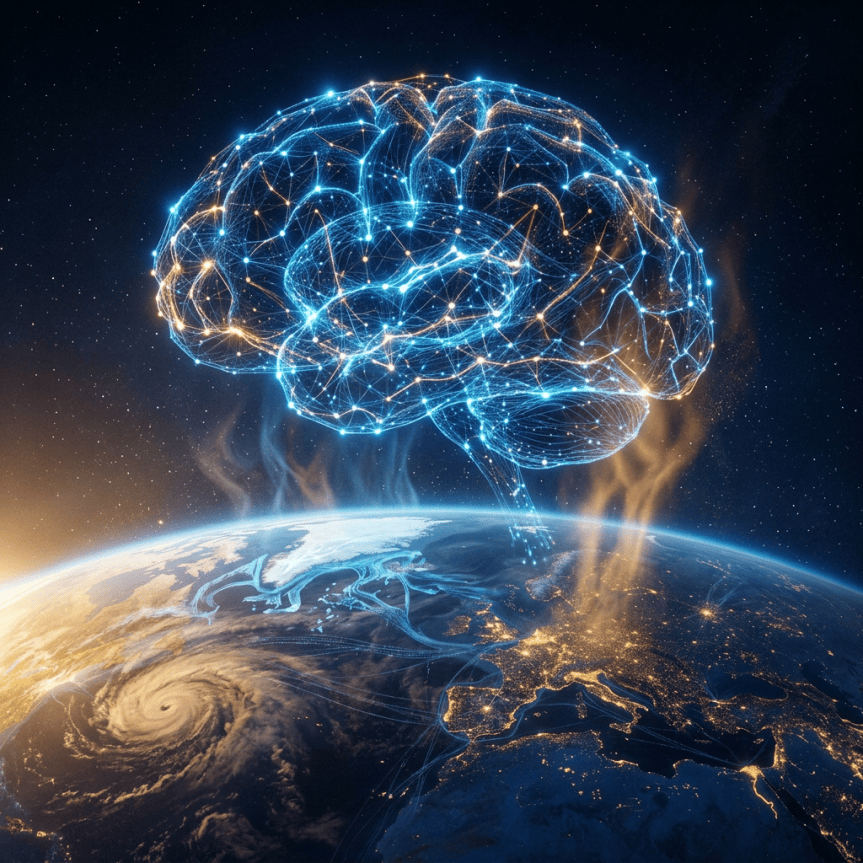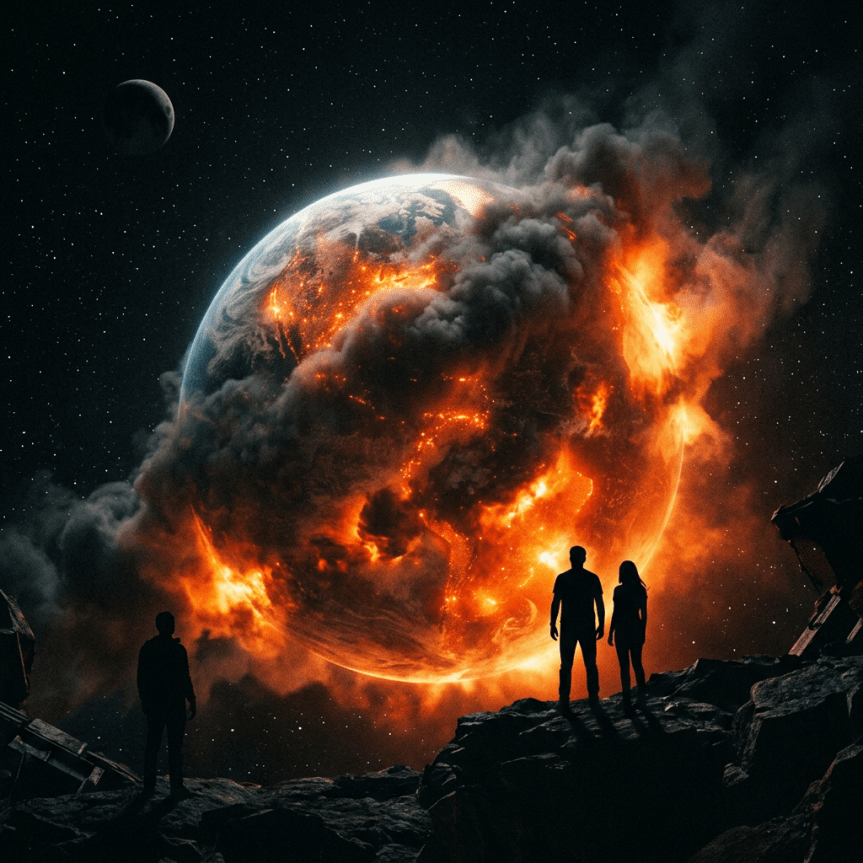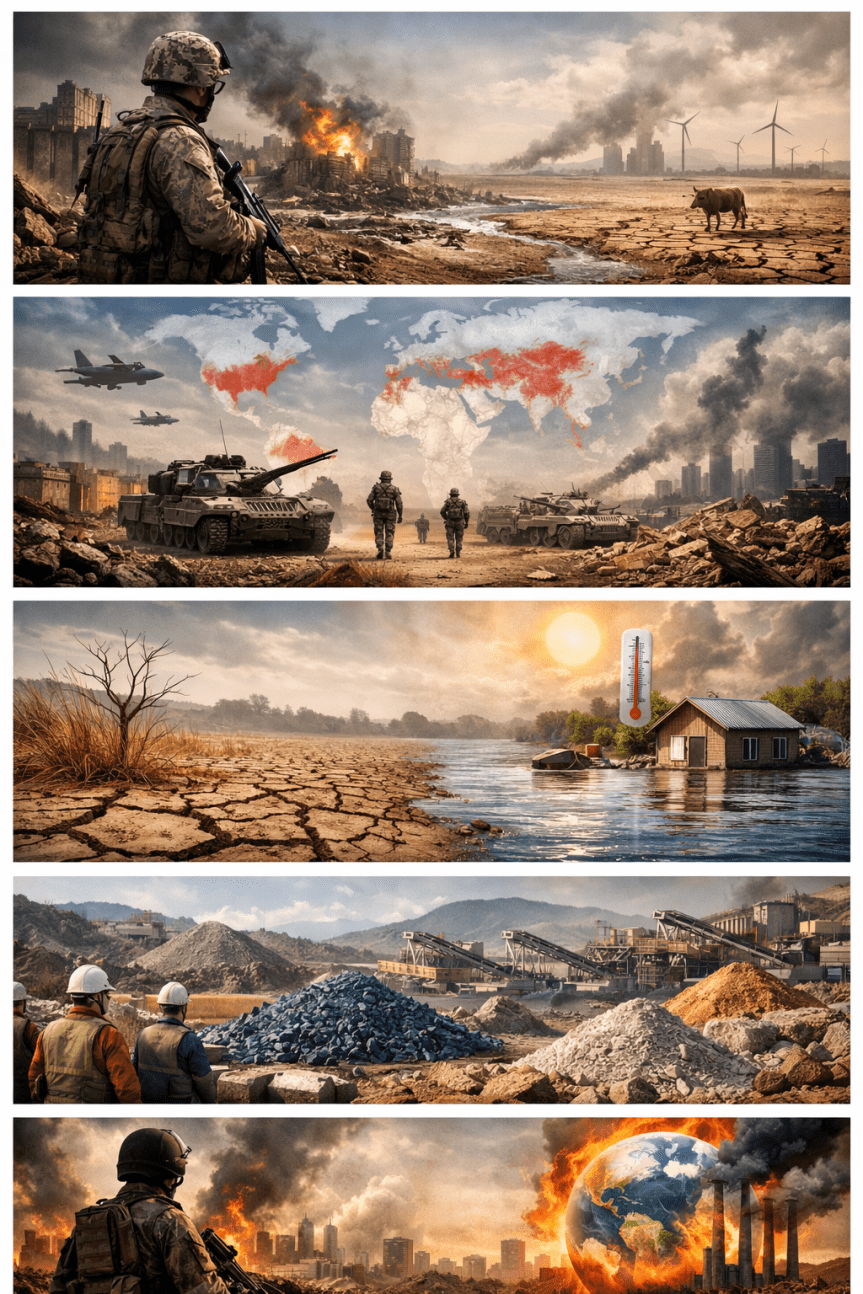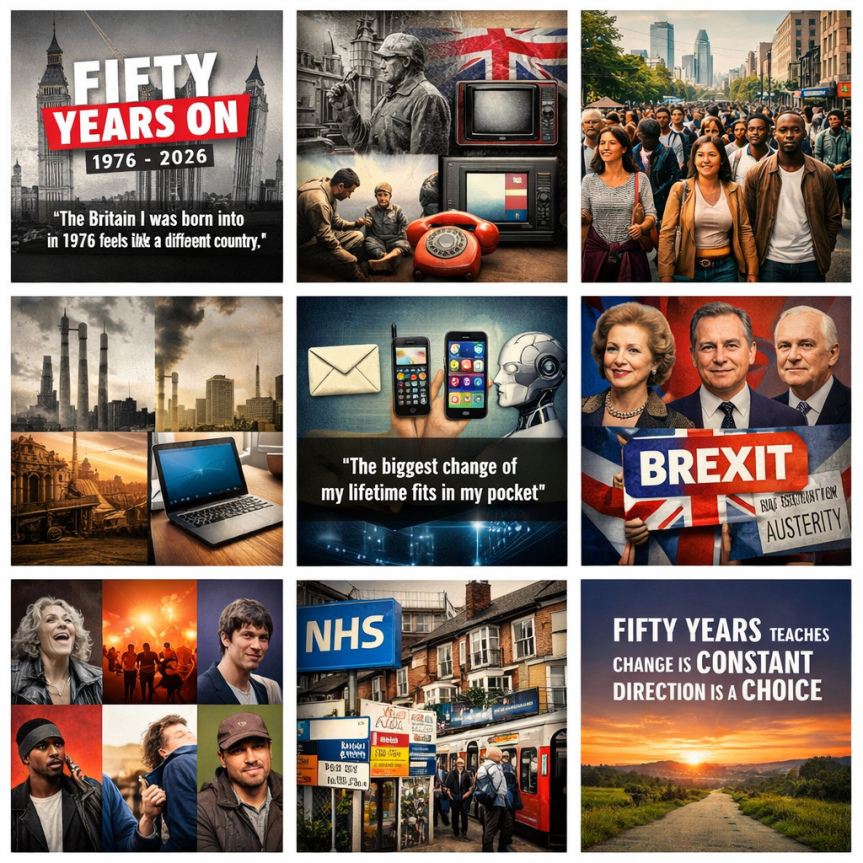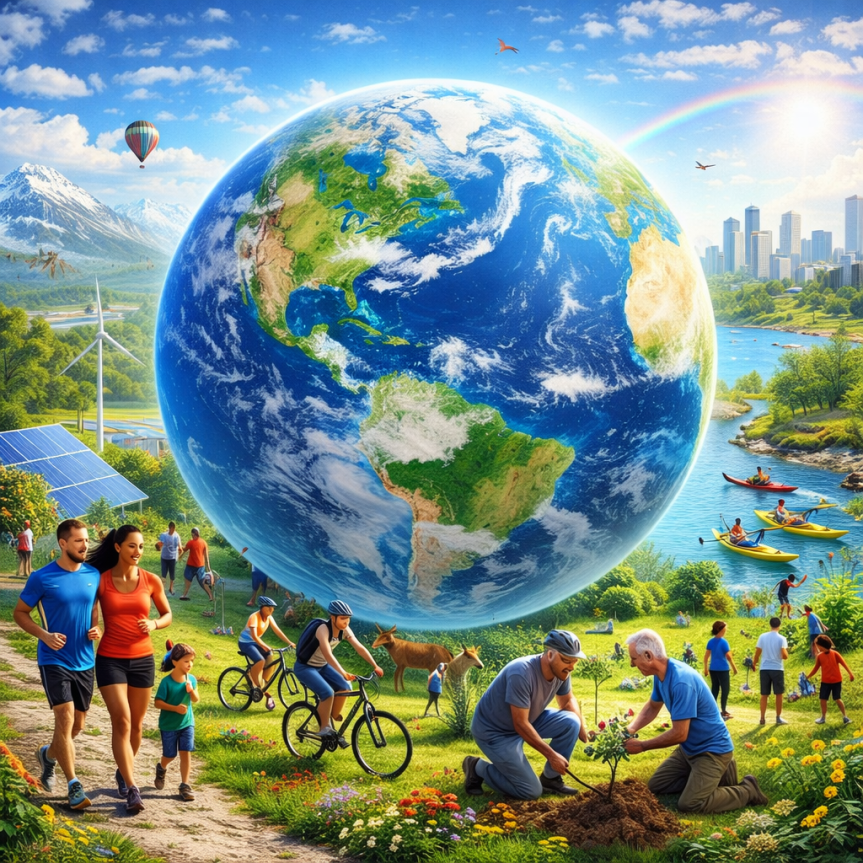

A Century of Global Health Interventions: From Smallpox to COVID-19

Over the past 100 years, several coordinated global interventions have significantly improved human health, reduced poverty, and increased life expectancy… These actions were primarily driven by international organizations (UN, WHO), specialized global alliances, national governments, and large philanthropic foundations.

The most dramatic improvements came from global health campaigns that targeted the diseases and conditions that once defined human life.

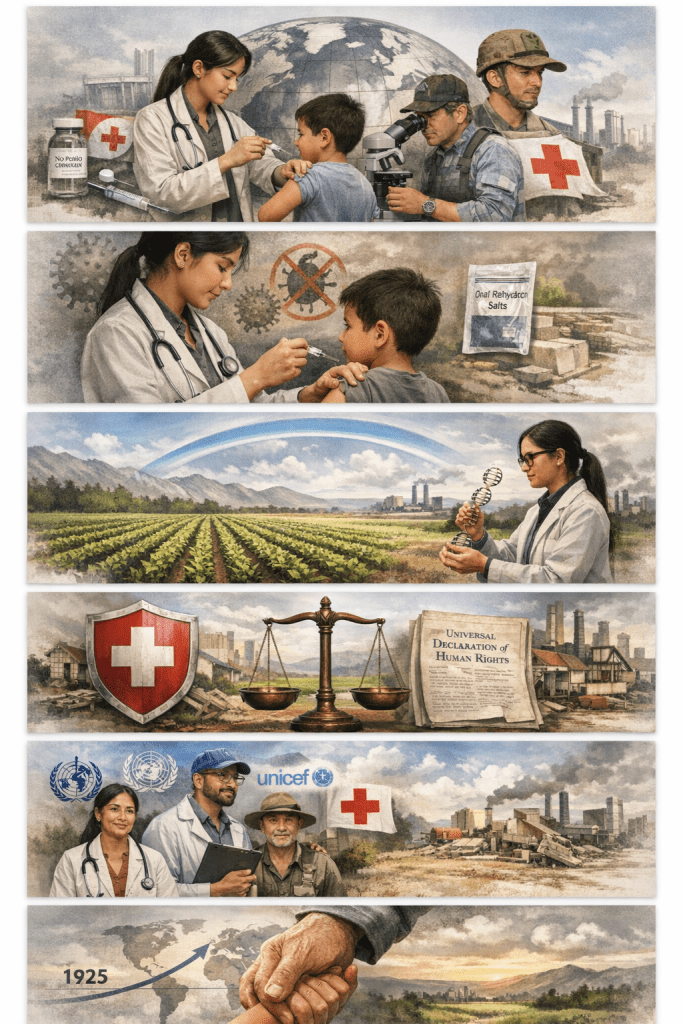
Smallpox is the clearest example. In 1967, the World Health Organization launched a global eradication campaign. By 1979, the disease was gone. The document notes that this effort “successfully eradicated smallpox, saving an estimated 50 million lives.” It remains one of the most extraordinary achievements in human history.

Polio followed a similar path. A coalition—WHO, UNICEF, Rotary International, and the CDC—drove cases down by more than 99%, preventing millions of children from lifelong paralysis.

Vaccination became the quiet infrastructure of global progress. Gavi, The Vaccine Alliance, helped immunise over a billion children, saving more than 17 million lives. The Global Fund, created in 2002, has saved over 44 million lives through its work on HIV, tuberculosis and malaria.

And sometimes the breakthroughs were beautifully simple. Oral Rehydration Therapy—a mixture of salts, sugar and water—has saved around 50 million lives, mostly children. It is a reminder that progress doesn’t always require cutting‑edge technology; sometimes it requires humility, persistence and the courage to scale what works.

Repairing the Planet We Live On

Not all interventions were medical. Some reshaped the environmental and technological foundations of modern life.

The Montreal Protocol stands out as a rare moment of global unity. When scientists warned that chlorofluorocarbons were destroying the ozone layer, governments acted. The 1989 treaty phased out ozone‑depleting substances and set the planet on a path to recovery. It remains the most successful environmental treaty ever signed.

The Green Revolution of the 1960s and 70s transformed global agriculture. High‑yield crops, fertilisers and irrigation systems dramatically increased food production in Asia and Latin America. Led by researchers like Norman Borlaug and backed by governments and philanthropic foundations, it helped avert famines that many believed were inevitable.

And in 2020, decades of research into mRNA technology suddenly became the backbone of the global COVID‑19 response. Governments, scientists, regulators and manufacturers collaborated at unprecedented speed to produce vaccines that saved millions of lives. It was imperfect, unequal and politically fraught—but it showed what coordinated science can achieve under pressure.

Building the Rules That Protect People

Some of the most important interventions weren’t about technology or medicine. They were about the rules that govern how humans treat one another.

After the Second World War, the Geneva Conventions were updated to protect civilians, medics and prisoners of war. The International Committee of the Red Cross became the custodian of these norms. They are violated often, but they exist—and they give the world a language for accountability.

The Universal Declaration of Human Rights, adopted in 1948, did something similar. It articulated a shared vision of dignity and rights that has shaped constitutions, treaties and social movements across the world. It didn’t create justice, but it gave people a tool to demand it.

The Marshall Plan, launched the same year, rebuilt Western Europe after the war. Beyond the money, it established a model of international cooperation that helped stabilise a continent that had torn itself apart twice in thirty years.

Who Made All This Happen

The cast of actors behind these interventions is broad and often surprising.

The World Health Organization sits at the centre of many of the major health victories. UN agencies like UNICEF, UNHCR and the World Food Programme have delivered food, vaccines and protection to hundreds of millions of people.

Philanthropic foundations—especially the Gates Foundation—have provided catalytic funding and political pressure for vaccines and disease eradication.

Researchers and academics have shaped the intellectual foundations of progress, from the creators of Oral Rehydration Therapy to economists like Amartya Sen, whose work reframed how we understand famine and democracy.

NGOs such as Médecins Sans Frontières, Oxfam, CARE and Save the Children have provided frontline action, advocacy and uncomfortable truths.

And behind all of this are the people who rarely get named: community health workers, farmers, teachers, parents, activists. They turn global policy into lived reality.

What Changed for People and Societies

The cumulative effect of these interventions is staggering. Life expectancy has roughly doubled in many parts of the world. Child mortality has fallen dramatically. Extreme poverty has declined. Diseases that once defined childhood—measles, diphtheria, tetanus—are now rare in many regions.

The document summarises this shift clearly:

“These efforts shifted humanity from a state of high infant mortality and disease prevalence toward a period where… human life expectancy has roughly doubled in the last century.”

This is not a story of inevitability. It is a story of choices—messy, political, imperfect choices—that nonetheless changed the trajectory of human life.

Why This Matters Now

It’s easy, especially in the UK’s current mood, to feel like the world is sliding backwards. But the last century shows that global interventions can work. They can save millions of lives. They can repair environmental damage. They can build norms that protect people even when politics fails.

The question for the next century is whether we still believe in that possibility. Whether we are willing to build institutions, share power and act collectively in the face of climate breakdown, antimicrobial resistance, AI governance and widening inequality.

The past 100 years offer a quiet but powerful answer: coordinated action works. The challenge is whether we choose to use it again.

Is Our Global System Corrupt or Immoral? Insights and Impacts

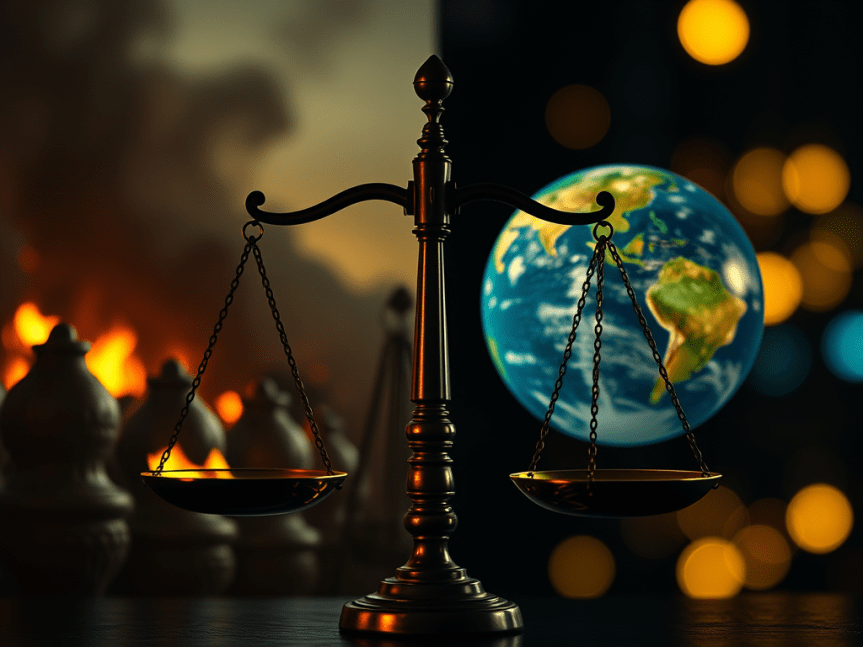
Whether our global system is immoral or corrupt is one of the most debated questions in modern philosophy, economics, and sociology. There isn’t a single factual answer, but rather a tension between two primary perspectives:

The Argument for Systemic Corruption

Critics argue the system is inherently flawed because it often prioritises capital accumulation over human well-being. They point to: 

  • Extreme Inequality: A tiny percentage of the population holds more wealth than the bottom half of the globe combined.
  • Environmental Exploitation: Economic growth often relies on the depletion of natural resources, leading to the climate crisis.
  • Power Imbalance: Large corporations and wealthy individuals often have disproportionate influence over political legislation, which can undermine democratic processes. 
  • Environmental Degradation: The current economic model relies on extracting natural resources, which has led to overshooting planetary boundaries. Seven out of eight earth system boundaries—including climate, biodiversity, and fresh water—have been breached.
  • Inequality: Despite overall growth in global GDP, wealth inequality is increasing in most countries. This leads to a concentration of power and wealth, where “marginalized communities often bear a disproportionate burden of environmental pollution and degradation”.
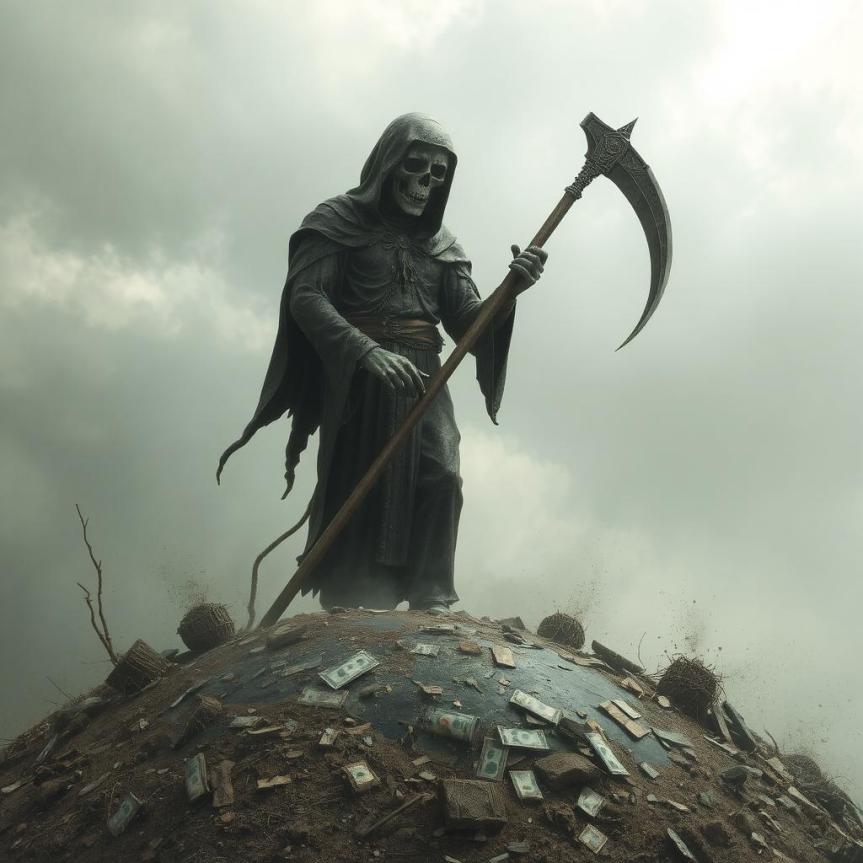
  • Unsustainability: The focus on short-term profit and “planned obsolescence” results in excessive waste and pollution. The current model is described by some researchers as an “environmental pyramid scheme” that depends on intergenerational theft.
  • Social Distress: Modern economic life, characterized by high-demand jobs and job insecurity, is linked to lower social connectedness and higher mental distress. 

The Argument for Systemic Progress

Conversely, proponents argue that the current global exchange has done more to improve the human condition than any previous system. They point to: 

  • Poverty Reduction: Global extreme poverty rates have plummeted over the last 50 years.
  • Innovation: Competition drives advancements in medicine, technology, and renewable energy.
  • Rule of Law: While imperfect, modern systems have established human rights frameworks and international trade laws that provide a level of stability unprecedented in history. 

Conclusion on Future Outlook

Ineffective Decoupling: It is unlikely that economic growth can be fully decoupled from environmental damage at a global scale, meaning a, “selective downscaling of production and consumption” is necessary to lower the ecological footprint.

Fundamental Transformation Needed: Research indicates that to ensure a “good life for all within the planet’s limits,” the current system must be drastically restructured.

Towards a “Wellbeing Economy”: Many experts advocate for a shift toward “wellbeing economies” that prioritize sustainability, social health, and environmental safety over purely economic, growth-based metrics like GDP.

What to Do If Your Home Floods: A Tenant’s Guide

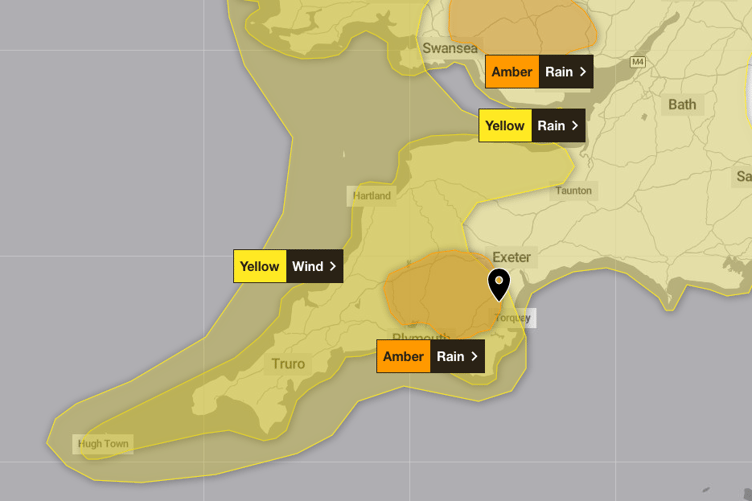
It is quite early in the flooding season here in the South West of England although if and when a flood hits a place, it is never expected or predicted to occur. Yes on the weather forecasts they talk about chance of floods and rain but until it happens to you, you just don’t expect it at all. As yet my home or even close to my home has never been flooded from rain or rivers rising although that is not to say it could not or would not happen.

We lived on a hill in Spreyton in our first home there and although we experienced good moorland rain through autumn and winter and at other times too and although the roads leading up to the hilltop village would flood Spreyton always seemed a million miles away from flooding itself being 180 metres above sea level. One of my parents properties did once get flooded, when they lived at the bottom of a hill once, possibly while I was away at university or living in Exeter and a little river formed unexpectedly from the back door taking water quickly out to the front door, luckily not to much damage was done at the time and preventative lessons were learnt.

I feel with living so close to a river about 1 km away with the road close to me known to occasionally flood I stand a good chance of getting flooded at some time in the future myself. I live in social housing and so my rent is fair and affordable but if the worst happened and I was flooded I wanted to check as to what I should do or the practical consequences of flooding after the event. This property has never flooded from the river and so I hope it never does.

Checking the genius that is AI concerning advice and help I discovered the following:-

Immediate Steps & What to Do Next

Prioritise Safety: Ensure everyone is safe. Turn off utilities (gas, electricity) if it’s safe to do so.

Contact Emergency Services if there is an immediate danger to life.

Report to Landlord: Immediately contact housing association through their emergency reporting method (usually a 24-hour phone line). Follow up in writing.

Stay Safe: Follow official advice; don’t clean or repair until the landlord inspects.

Document Everything: Take photos and videos of the damage to the property and your belongings. Keep receipts for any unexpected expenses, such as hotel stays.

If your housing association flat floods, your key rights are for your landlord to make the property fit to live in (health and safety), provide emergency accommodation if needed, and conduct repairs within set timescales (24 hours for emergencies), with potential compensation for damage and rent relief if they delay, but you’re responsible for insuring your own belongings. 

Repairs: Must repair structural damage (walls, ceilings, plumbing) and ensure the property is safe and habitable.

Emergency Repairs: Must fix emergency hazards within 24 hours (e.g., major structural issues, unsafe electrics).

Temporary Housing: Must offer emergency accommodation if the flat is uninhabitable.

Compensation: You can claim for damage to your belongings and loss of use if they fail to act. 

Your Rights

Rent Reduction/Refund: You can ask for a rent reduction or refund for the time you can’t use your home.

Compensation: For property damage (belongings) and inconvenience due to delays.

Legal Action: Escalate to the Housing Ombudsman or consider the Small Claims Court if they refuse repairs. 

Your Responsibilities

Your Belongings: You must have your own contents insurance to cover your furniture, clothes, etc., as the landlord’s insurance only covers the building structure.

Report Promptly: Landlords are only responsible for damage once they know about it. 

Seek Advice: If your landlord does not act within the required timeframes, you can seek advice from local district council, Shelter England or Citizens Advice.

Escalate: If the issue is not resolved, you can complain to the Housing Ombudsman Service, which is a free and impartial service for social housing tenants.  

I can sadly imagine the heartache, sorrow and amount of issues there would be if a property gets flooded and hope it never actually happens but feel its best to be aware just in case it does.

Important measures people are also advised to do prior to an emergency are as follows :-

Prepare an Emergency Flood Kit 

Assemble a “grab bag” of essentials in a waterproof container and store it in a high, accessible place. Items to include are: 

Important documents: Insurance policies, passports, and medical records stored in waterproof bags.

Medications and first-aid: Any prescription medicines, a first aid kit, and essential baby or pet supplies.

Supplies: Bottled water (at least 2.5-3 litres per person per day recommended for survival), non-perishable food that doesn’t need cooking, and a manual can opener.

Electronics: A battery or wind-up torch, a portable radio for updates, spare batteries, and a power bank for charging your mobile phone.

Clothing: Warm, waterproof clothing and sturdy shoes for everyone in the household.

Cash: A small amount of cash, as ATMs and card machines may be out of use. 

Though I am not organised to do all of the above and living in a city I hope I would get some help and support sooner than in a remote area. I do aim to have my wallet, keys and phone all within reachable distance of me at all times of day.

I try to keep my mobile charged and a rucksack with my laptop and charges in it to if needing to leave in a hurry. I do have a folder with important documents kept high up in flat and sign up to emergency alerts and early flood warnings too.

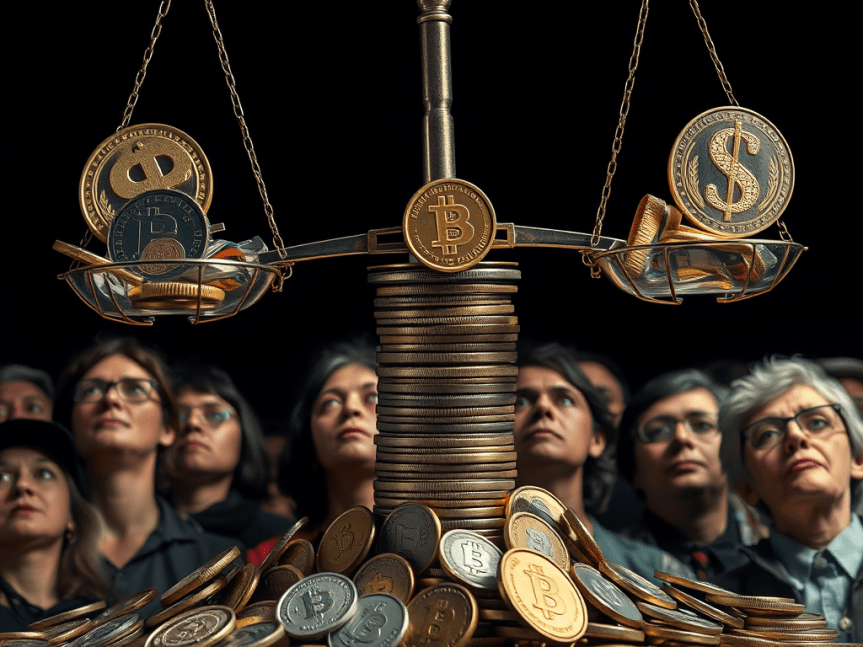
Our capitalist designed system is not set to act in our interest! 

Capitalism is an economic system where private individuals or businesses own capital goods like factories and resources, rather than the government or state. The goal is to produce goods and services and generate profit, with supply and demand playing a key role in determining prices and resource allocation. 

But in our global system, capitalism enables the wealthy and powerful to not just own business and means of production but ownership and direction of our governments, public perceptions of reality through the media and a persuasive overarching state of opinion on what should be considered successful, truthful and normal over what is considered a failed system, abnormal and even a lie. 

We operate and exist in extremely complicated economic global structures which dependent on where you look at it from can look extremely pleasing e.g. for those with wealth and power and control its a system within which they see considerable benefit for themselves but to those that live in areas of the world that are exploited such as taking away ecological resource being harvested and irreversible destroyed for economic gain such as the destruction of tropical rain-forest or the abstraction of finite minerals and other resources or even worse those living in an area where there are wars or violence inflicted on people as a means to obtain wealth, power and control things are a lot worse when your being exploited at the expense of the person that is exploiting you.This can be done through both legal and illegal means of exploitation.  

The most logical means of production and consumption to a maximum number of people at a competitive price should be by individuals and organisations but just as ‘power corrupts, and absolute power corrupts absolutely’. The cost to humanity, our ecosystem and our governments integrity should all be priced into production, the means of production and our ability to consume and sustain our ability to produce and consume. 

Our governments today are not deep thinkers and do not show signs of thinking outside of the box of tools within which they think they are provided with. Capitalism and consumption should not be at any cost. A system that eats itself, destroys its own environment and severely impacts on humans within its own sphere of influence is not a healthy form of government and should therefore not be aspired to or believed to be the only economic game in town.

Just because the exploitation that feeds your economy take place on  a global scale and not in your back yard does not mean that the people within positions of power whom exploit others that live within your countries are not in some way responsible for the exploitation of the globe, the chances are the greater wealth that is obtained by someone in this world will likely be at the expense of the planet or the humans within which live upon it that have been exploited in order to capitalize on said wealth   

Just as bees collect pollen and produce beautiful wondrous nests full of honey. We as creatures must consume to exist and wondrous things have and continue to be produced as we consume and exist. As we produce and engage in ever wondrous antics to assist us to hopefully at first survive and if and when possible thrive. Consumption to exist and where possible thrive is very much in our nature but just to be a capitalist being born to exploit at the expense of others is perhaps perceived as normal but not truly necessary or sustainable into the future. 

A healthy society of consumers needs to have strong and robust legal system designed to prevent genocide, ecocide and other forms of manipulation, destruction and death across society so as to maximize the amount of sustainable growth and consumption but not at the expense of those with power, wealth and money being entitled and enabled by our political, legal and media establishments to destroy the environments of others or itself merely for profit from such actions themselves. That is not just an unsuccessful use of a system but one that is inherently flawed for humanity and the planet within which we live upon and sustains our lives.


Keywords across site

AI (12) Birthday (7) Blog (7) China (6) Christmas (6) Climate Change (12) Coronavirus (7) covid-19 (27) Death (10) donald-trump (11) economics (8) Economy (15) Election (7) Environment (11) Exeter (7) Faith (7) Family (19) Friends (8) Future (72) Gaza (7) God (11) Health (11) History (21) Holiday (10) Hope (8) Ireland (7) Israel (8) Life (216) Love (14) Mental Health (14) music (7) Nature (22) News (102) philosophy (8) Politics (130) Putin (34) Russia (14) social media (9) technology (6) Trump (61) UK (7) Ukraine (29) War (49) Work (8) writing (15)

Europe’s heart vs. Putin’s arsenal and Trump’s ego

Can Europe find what is at its heart as it tries to face Putin arsenal and negotiate away through Trump’s ego and attitude? The next four years of Trump being in power could be painful, worryingly unpredictable and unwrap over 80 years of global rules of law that brought stability in Europe in a way that damages all in the long run. Some might profit from this, whilst many will lose. Elections have resulted in people voting for change, whilst not knowing what that change will look like or more to the point what can be delivered or gotten away with. Change is constant and inevitable in life, you just hope to adapt or improved your present situation facing you.

This present modern phase of political problems and proposed solutions appears to be an age of populism where misinformation, impossible promises are made that cannot be delivered and then a blame game of blaming  “others” for what is happening to you.

The wealthy that are now in the mainstream of political power in Russia and the US are no longer playing from the sidelines anymore but are out in the open seeking to deregulation business, destroy or ignore international trade and climate cooperation and treaties, whilst making it easier for them to make even more money and further line the pockets of oligarchs and multimillionaires across the globe, who or what will they profit from or take power away from when they are profiting from and take power away from the people you are their commodities and it is from what they do to you that they will profit. They will take your freedom, finances and rights of autonomy whilst blaiming others and if need be you for what they do to you!

 The European Union’s world view against Putin and it’s need to try to advocate the defence of  Ukraine is because of a pivotal stand against aggression that threatens the very fabric of international law and European security. When considering both Vladimir Putin and Donald Trump in this context, the EU’s worldview encompasses concerns about authoritarianism, the undermining of democratic institutions, and the importance of solidarity among democratic nations and their citizens.

The EU perceives Putin’s actions—beginning with the annexation of Crimea in 2014 and escalating to the full-scale invasion of Ukraine in 2022—as blatant violations of a sovereign nation’s territorial integrity. This aggression is not just an assault on Ukraine but a challenge to the post-World War II international order that prohibits the forcible acquisition of territory.

Putin’s military endeavours are seen as a threat that extends beyond Ukraine’s borders, destabilizing the entire European continent. The EU fears that unchecked aggression could set a dangerous precedent, encouraging other nations to disregard international norms and territorial boundaries. For the EU, supporting Ukraine is synonymous with defending democracy, human rights, and the rule of law right on the edge of Europe. Ukraine also aspires to integrate more closely with Western institutions aligns with the EU’s vision of a Europe whole, free, and at peace.

The EU has implemented comprehensive sanctions targeting key sectors of the Russian economy, provided humanitarian and military aid to Ukraine, and sought to isolate Russia diplomatically. These actions aim to pressure Russia to cease its aggression while supporting Ukraine’s defence and resilience. The US nwo looks to potentially reward Russia for it’s stance in creating new trade relations with Putin’s Russia and brining Russia in from the political cold by saying it’s war with Ukrain is not it’s fault and generating new business contracts with Russia benfiting Trump’s USA and Putin’s Russia and giving Russia a renewed voice and prestige on the global stage.

The EU’s stance is about more than just Ukraine or Russia—it’s about affirming a commitment to a world order based on rules, mutual respect, and peaceful coexistence. By taking a firm position against Putin’s actions, the EU hopes to discourage similar aggression elsewhere and promote a stable international environment.

The situation also raises fascinating questions about the shifting dynamics of global power. How might this conflict influence relationships between other major players on the world stage, like China or the United States? And what could this mean for the future of international alliances and partnerships?

If Russia is seen as winning or having won vs Ukraine will this then embolden China to invade Taiwan, will Trump turn Gaza into a new hot piece of real-estate for the wealthy in the middle east and will trade wars be based on Trump’s might and not upon whether his actions are of those of someone who is in the right.

Quite frankly Trump does not like or approve of democratic niceties or the rule of law which is very much at the heart of what the European Union stands for. Having had two world wars start and bloody the soil of Europe, Europe has learned a considerable amount about the importance of emancipation and freedom from tyranny and the will and power to dominate over others in a way that perhaps Trumps US, has yet to learn and Putin’s Russia has been blind by a will for vengeance against the EU for alleged harm and transgressions done to it due to the defeat of the USSR.

Serving up the world

The authoritarian leaders of the world President Trump, President Putin and President Jinping calving up the world to suit themselves.

It appears history is repeating itself after finding an old and chilling cartoon below.
Adolf would be proud of the trail blazing Putin setting an example for Trump and Jinping

The modern authoritarian leaders are not at war amongst themselves, but are instead at war with us.

Our hearts, our minds, our lands and our lives.

Is Trump being played by Putin?

The United States’ steadfast allegiance to Ukraine during that country’s three-year war against Russia appears to be rapidly eroding under the Trump administration. President Donald Trump on Feb. 19, 2025, referred to Ukrainian President Volodymyr Zelenskyy as “a dictator” and inaccurately blamed him for the conflict that Russia instigated as part of a land grab in the border regions of the two countries.

Zelenskyy, meanwhile, said on Feb. 19 that Trump is trapped in Russian President Vladimir Putin’s “disinformation space.”

Earlier this week, the US president claimed America had given Ukraine at least $200bn (£158bn) more than Europe has since Russia invaded the country in February 2022.

Mr Trump said: “I think Europe has given $100bn (£79n)… and we’ve given, let’s say, $300bn (£237bn) plus.”

There are a number of figures available for the amount of money being given to Ukraine by different countries.

The Kiel Institute for the World Economy’s Ukraine Support Tracker shows that countries in Europe have allocated a total of €132bn (£109bn or $139bn) in help for Ukraine.

The tracker shows the US has allocated around €114bn (£95bn or $120bn).

There is also a debate about how much money countries say they have given to Ukraine has actually gone to the country itself.

According to The Washington Post, some of the money given by Washington includes sending money through “drawdowns” from US weapon stockpiles and money to pay US-based defence contractors for equipment.

One thing that has fuelled the fires of anti Ukrainian sentiment by both those on the left and right is the belief that the whole war is a money making scam – the sovereignty of the nation of Ukraine does not matter in this argument and their ability to self determination also unimportant, the more I think about it this perspective is very much one pushed by Putin onto the west and lapped up by President Trump and conspiracy theorists arguing the toss about money spent rather than a democratic right and mandate to defend and have ones own land.

Land, liberty, and the pursuit of happiness—those once beautiful values all democracies believed in and aspired to. Such views, though claimed by the right to be at the heart of their ideals, are no longer really recognized, sadly, by Trump’s America or by other rising stars of the right across the globe.

When the Brazilian president offered a chainsaw as a gift to Elon Musk, it carried deeply troubling connotations for me: this was a gift from a country that is razing one of the lungs of the Earth, the Brazilian rainforest, and the president of Brazil presents Musk with the very symbol of what is being used to destroy his own country’s rainforests – it feels like a flagrant display of right-wing fascism, tasteless and defiant, a blatant middle finger to the world under the banner of hate, cuts, and a conqueror’s philosophy.

With the climate breakdown and global warming, there were those that believed that the breakdown of social norms and an increase in wars would occur as the planet warmed and climate change impacted our lives, but I had underestimated and underfeared the true nature of the changes now occurring right in front of our eyes. I knew there would be wars, but I thought they would be over mineral deposits in Africa or oil in the middle east and not economic wars over the sovereignty of whole nations in what was once seen as relatively stable or growing democracies such as Ukraine or even well established democracies such as Canada are not safe against Trumps trade wars. Sadly know where is safe anymore; it’s mental, really, what is happening.

World Economic War 1

So rather than World War 3 has Donald Trump started an economic war and how has he done this and why? Well in simple terms he does not like the fact that US tends to buy more goods and services from other countries than other countries buy from the US. Secondly because he is a moron willing to do as yet incalculable damage to the global economy in the name of the USA and Trumpism Economics (whatever they might be) by raising tariffs against other countries across the globe that are looking to sell their goods and services to the US. A tarrif is a tax added to imported goods. Trump has done this for a variety of reasons such as A) he does not like a country that boarders his attitude to emigration and so wacked a tariff on, or B) because a countries goods and service are simply better or more competitive on the global market so he hits a tax on those too. Or finally C) where there are taxes already charged to US goods in the way of such as in the UK where nearly all goods and services including its own are charged VAT (value added tax) as an income stream for the UK. So Trump is adding this 20% tax to all goods imported from the UK too.   

Trumps Tariffs might make the US a considerable amount of taxable income in the short term but it will increase inflation and prices to US citizens as well as other citizens across the globe and as yet in world history I am not sure if anyone has won a trade war it just tends to unnecessarily hurt those countries and citizens of those countries that get caught up in it.  

Ultimately Trump is detonating an economic bomb simply because he can.

It’s the economy stupid!

The state of a countries economy is one of the main headline topics in the news these days and it is judged by whether the economy is doing well by growth and stability and its very much a numbers game.  Economic growth refers to an increase in the size of a country’s economy over a period of time. The size of an economy is typically measured by the total production of goods and services in the economy, which is called gross domestic product (GDP). Economic stability definition is a term used to describe the financial system of a nation that displays only minor fluctuations in output growth and exhibits a consistently low inflation rate.

GDP in a country is usually calculated by the national statistical agency, which compiles the information from a large number of sources. In making the calculations, however, most countries follow established international standards. These types of financial measurement are seen and believed to be accurate.

Bigger question to ask might be what’s the point in these stats? How does a growing or stable economy effect our lives? Well in basic terms a growing and stable economy increases an individual living within that economy of having a job and prosperous opportunities to live and have a future.

So what are the strengths & weaknesses to this model and to an economy within this model. Strengths are the measurement are generally accurate and can be updated and corrected if and when needed, when the sums add up a country can be confident that it is doing something right.

Weaknesses of this model relies on growth of an economy as a sign of health and productive economy although a sustainable and environmentally non-destructive economy that provides value to its citizens and environment whilst not necessarily increasing profitability on a spreadsheet can still add tremendous value to its citizens and also enhance the environment of the country and people within that society but this is more difficult to measure on a spreadsheet but invaluable over time. A damaged and dying ecosystem can still be tremendously profitable up to a typing point where then the damage might be so catastrophic that the land or sea has no value or profit to it at all.

Adoption of circular economy principles can help in reducing the negative impact on natural resources as well as damage to our climate.