One idea ticking away on my brain this morning is the concept of time. I sometimes wonder too much about what time is how does it exist and what should I do with it. In many ways time is an illusion. In my mind there is no past now, for it has already happened and there is no future for it has not yet happened the only time that we ever live within is now.
So what time is it well the time is always now. I find this kind of acknowledgment of time as being now not yesterday or tomorrow as reassuring too. As yesterdays trauma is not now and tomorrows worries are also not now and so to focus in the now results in a better ability to make the most out of the time I actually have.
There are also certain things I always try and make time for firstly time to write my blog and express my views on the world and explore my views and interpretations on what is happening.
Secondly time for family and friends – to see them and talk to them and listen to them and if possibly be helped or help them.
Thirdly time for work and play. Work to pay my way and play to recharge my batteries and allow me to fight another time or day.
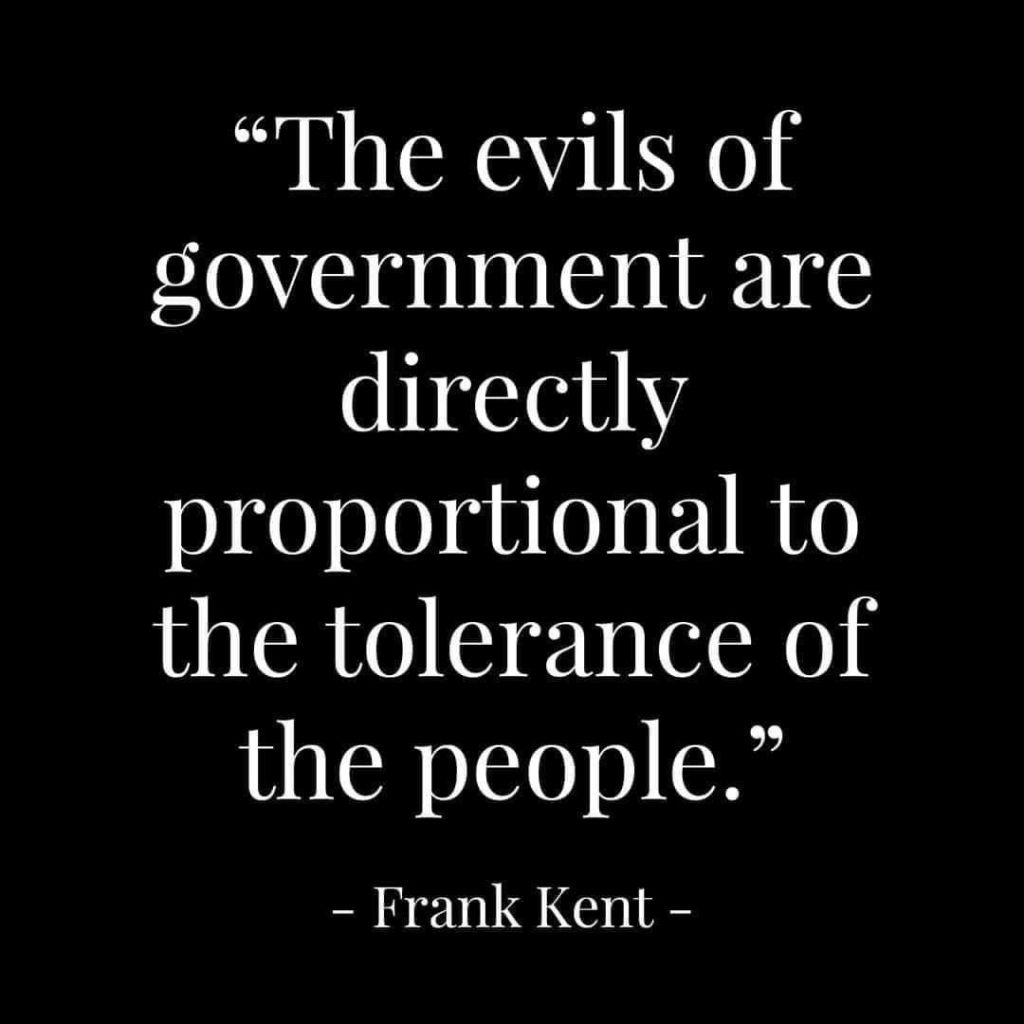
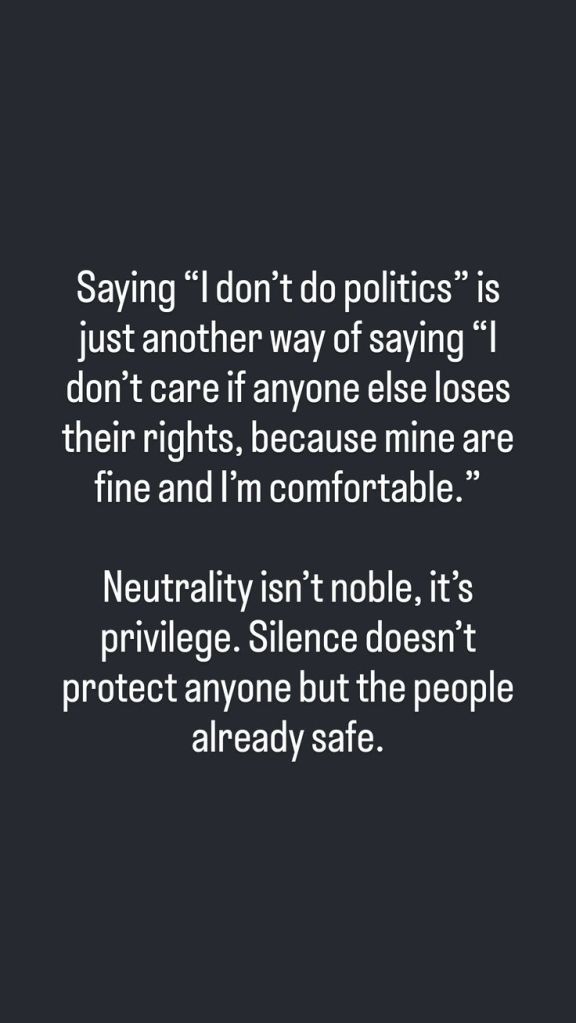
Fourthly time to vote (I don’t think I have missed an election yet and so long as I can make it to the voting booth I will continue to do so – why have a say if you dont have a vote?
Buffalo Springfield – For What It’s Worth (Official Audio)
Sometimes I find myself and others in crisis, not one of there making but one that they or myself or others are very much being weathered by and emotionally unable to take shelter from what is raining down.
Although the instinct is sometimes to try and wipe them or yourself dry with reassuring words and all knowing answers, such words and answers can not always stop the emotional rain.
its upsetting and frustrating for both you and a person caught in an emotional storm, but sometimes its better to wait for a storm to pass before you look for a place to recharge from the storm. Sometimes you will only know a storm will have passed once the darn thing has finished and not knowing what it will do or when it will stop can be frustrating in its self.
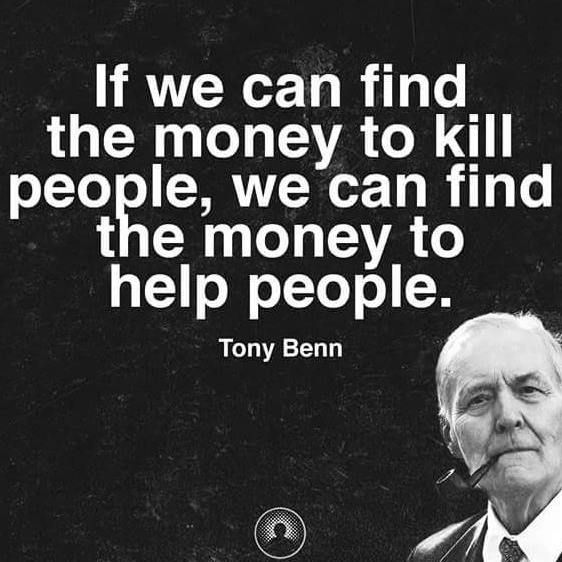
On an economic front there is a storm coming in the UK. Lots of business some long established business have been being announced as going bust in the UK and it really does feel like we are on the cusp of an economic storm of a recession with concerns on job fronts, stock market highs leading to potential stock market lows and Trumps war in the middle east and threats of tariffs and tantrums to those that don’t support his brain rotten madness there really are potentially several economic storms on the horizon.
On February 2020 I started my huwspace.com blog and have had a great deal of enjoyment expressing myself on this site. With music, thoughts and films that are close to my heart that express who I am and write about my perspective on what is going on in my life and in the world. 2020 onwards has been a crazy time really and the 2020’s decade has been one in which so much has happened it’s like the world is going too fast and there is no chance of jumping off at all as we are here for the ride or until our song stops being written or sung.
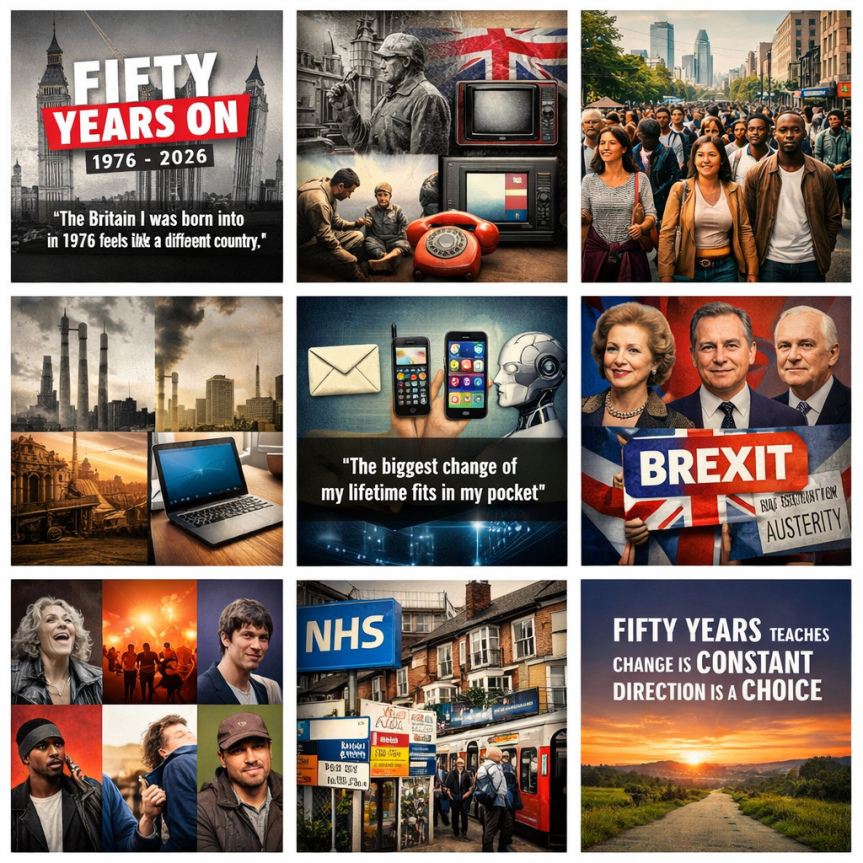
My mental health has been at times a challenge to during this time. It’s sometimes difficult to know who I am where I fit in and where I belong. This year I am 50 in July a milestone if ever there was one. I have lived in my home now since 2012 in Exeter and it really is a home and base for me which I important to me. I was born in Wales in 1976 and first moved to Devon in 1982 to the village of Spreyton a place which has been a home from home. Though I know I am Welsh and love watching Wales play rugby I also feel strongly a part of Devon due to the roots I have put down here and friends made too.
Being the youngest Edwards in Devon now at what feels like a ripe old age of 49 is a strange experience to have my mum and me enjoy our life here but it feels sad that we are the last parts of the family that moved to Devon left here. It is a wonderful place which I feel very grateful to be living and would not want to live anywhere else for sure.
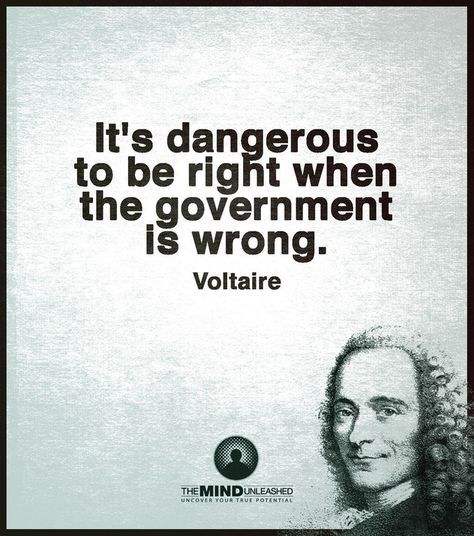
British Politician Keir Starmer working for and with Trump as he sees that he can’t afford to deny his lies for what he calculates the United Kingdom will lose politically and economically.
What red lines if any have been drawn and what will it take to cross them?
Keir Starmer’s government (elected in 2024) has prioritized a pragmatic, realpolitik approach to managing the UK’s “special relationship” with Donald Trump’s US administration. While he has publicly condemned Trump’s past rhetoric and some specific actions, he has avoided drawing explicit public “red lines,” opting instead for diplomatic engagement to protect UK national interests.
Stated Position on Trump
Starmer has moved from calling Trump’s past comments “absolutely repugnant” to adopting a more measured, Prime Ministerial tone, stating that a leader must work with whoever the American people elect. He has emphasized the need to “make it work” due to the importance of the UK-US relationship.
In 2026, Prime Minister Keir Starmer’s relationship with President Donald Trump is defined by a “realpolitik” strategy that prioritizes economic and national security over ideological confrontation. Facing a global landscape altered by aggressive U.S. actions, Starmer has adopted a “softly-softly” approach to manage the risks of a trade war and maintain the UK’s influence.
Strategic Pragmatism and “Atlantic Bridge” Diplomacy
Starmer has resisted choosing between the U.S. and the EU, attempting to position the UK as a bridge between the two. This calculation is driven by several factors:
Avoiding Trade Penalties: Starmer led efforts to cut deals with the Trump administration to insulate the UK from high tariffs. However, this has come at a cost; the UK recently ceded to U.S. threats regarding pharmaceutical tariffs, which may increase costs for the NHS.
Security Alignment: In recent calls (January 7–8, 2026), Starmer and Trump agreed on the need to deter Russian aggression in the Arctic, despite deep tensions over other U.S. maneuvers.
The “Trump Corollary”: Following the U.S. military intervention in Venezuela in early 2026, Starmer declined to condemn the action’s legality, focusing instead on maintaining a “holding position” to avoid alienating the White House.
Key Areas of Friction in 2026
“Red Lines” and Crossing Them
Starmer has avoided drawing firm public red lines, a strategy that has drawn criticism from opposition parties and some Labour backbenchers who accuse him of “craven subservience”.
International Law: The closest an implicit “red line” has been tested is over US military actions in Venezuela and Trump’s comments on acquiring Greenland in January 2026. While the Scottish First Minister and others urged Starmer to condemn these actions as breaches of international law, Starmer declined to do so publicly, stating it was “for the US to justify the actions it has taken” and that he was waiting for all the facts. This pragmatic approach suggests that verbal condemnation of US military action is not a red line that would break the relationship.
NATO Commitment: Starmer has stressed the importance of backing Ukraine and maintaining a strong Euro-Atlantic security alliance, which is a core value for his government. A significant US withdrawal from NATO or security cooperation would force a major UK policy rethink, although Starmer has not publicly stated this would end the relationship.
Trade: The Starmer government has engaged in trade discussions with the Trump administration, making compromises such as reducing import tariffs on cars and scrapping tariffs on US beef to secure deals and prevent trade wars. This demonstrates a willingness to make concessions to maintain economic stability.
Potential Political and Economic Losses
Starmer and analysts have identified several potential political and economic risks associated with Trump’s presidency:
Political/Diplomatic:
Loss of moral compass: By refusing to condemn actions like the invasion of Venezuela, critics argue the UK government risks losing its moral authority on the international stage and its standing as an advocate for international law.
Subservience: The perception of the UK as a subservient partner to the US (where the “US says jump, Britain asks how high”) is a significant political risk that can be exploited by domestic rivals like Reform UK.
Isolation: Trump’s “America First” approach and hostility to multi-lateral institutions may leave the UK more exposed on security and global issues, pushing Britain into a “strategic bind” between the US and Europe.
Economic:
Tariff wars: Trump’s use of tariffs has created significant economic uncertainty. While the UK has so far managed to mitigate some of the worst impacts through negotiation, the threat of tariffs (e.g., on pharmaceuticals) remains and could impact the NHS and other sectors.
Trade-offs: Securing trade deals with the US has required painful concessions, such as the potential impact on the NHS through pharmaceutical access or the agricultural sector via increased US imports.
Reduced EU cooperation: The necessity to court Trump for a US trade deal may impede Starmer’s goal of achieving closer economic ties with the EU, which some analysts believe offers a larger potential GDP boost than a US deal.
It seems at this moment time it seems almost like it is the powerless with the most to lose or who have already lost so much, that show the greatest power to stand up against Trump.
Political freedom is the capacity of individuals to participate in their society’s governance and political processes without unreasonable external constraints. It is often categorized into negative freedom (the absence of interference from the state) and positive freedom (the actual capacity to exercise one’s rights).
Core Components of Political Freedom
Political Participation: The right to vote, run for office, and hold governments accountable.
Freedom of Expression: The ability to hold, receive, and share opinions and ideas—including unpopular or shocking ones—without state censorship.
Freedom of Assembly and Association: The right to form political parties, unions, or groups and to conduct peaceful protests and demonstrations.
Rule of Law: A system where governmental power is constrained by fixed, public laws applied equally to all, preventing arbitrary abuse of power.
Political freedom does not entail absolute, unrestricted liberty; it comes with limitations designed to protect public order, national security, and the rights and reputations of others. Actions that abuse or undermine the freedom of others are generally excluded from the scope of political freedom.
Specific actions and behaviours that do not entail political freedom (and are often restricted by law) include:
Incitement to violence or hatred: Political freedom does not protect speech that encourages or incites violence, hatred, or discrimination against individuals or groups based on their religion, ethnicity, race, gender, or sexual orientation.
Defamation and slander: The right to freedom of expression does not extend to damaging the reputation or rights of others through libel or slander.
Rebellion and unlawful conduct: Using the right to freedom to incite people to rebel against the government or engage in other unlawful conduct is not protected.
Disorderly conduct and carrying weapons: While peaceful assembly is a key political right, this right does not extend to carrying weapons during a meeting or procession, or engaging in behaviour likely to cause a breach of the peace.
Online abuse and harassment: Forcing others off communication platforms through abuse or online mobbing is not considered a valid exercise of freedom of expression.
Actions that violate others’ rights: Political freedom does not grant a “freedom to pollute” or deforest, as such activities create negative consequences that violate other groups’ liberty to not be exposed to harm.
Treason or sedition: Actions that undermine the state or national security can be subject to legal restrictions.
In essence, the limits of political freedom are generally drawn where its exercise infringes upon the fundamental rights and safety of other members of society. Laws define what people must not do, while individual responsibility and morality guide what people ought to do beyond legal constraints.
The “skill psychologically of lighting up the dark” can be described as resilience and learned optimism, which involves acknowledging difficult emotions (the “darkness”) while actively cultivating hope and developing practical skills to navigate challenges and promote well-being. This concept draws on various psychological principles, including Jungian psychology and positive psychology.
Key Psychological Concepts
Balance of Opposites (Jungian Psychology): Psychologist Carl Jung noted that light and darkness coexist; one cannot exist without the other. The “skill” involves achieving a healthy balance rather than trying to eliminate darkness entirely. It suggests that there is value (or “gold”) to be found in understanding and integrating one’s “shadow” side (repressed or unacknowledged parts of the personality).
Resilience: This is the mental and emotional ability to adapt to adversity, trauma, tragedy, threats, or stress. It is a key skill for navigating the “dark times” in life, enabling individuals to bounce back from challenges and learn from them.
Learned Optimism: A concept developed by Martin Seligman, this skill involves intentionally changing one’s perspective and challenging automatic negative thoughts. It is about how we interpret events, not changing reality itself.
Hope as an Active Mindset: Hope is not a passive emotion but an active mindset that involves setting goals, identifying pathways to achieve them, and maintaining a positive outlook even amidst obstacles.
Emotional Regulation and Processing: The ability to sit with pain and uncertainty, process difficult emotions, and avoid “toxic positivity” (dismissing genuine suffering) is crucial for healing and growth.
Skills and Strategies
Cultivating the skill of “lighting up the dark” involves several practical strategies:
Awareness and Acceptance: Acknowledging and accepting the reality of one’s inner and outer “dark spaces” (sadness, fear, uncertainty) is the first step toward finding a path forward.
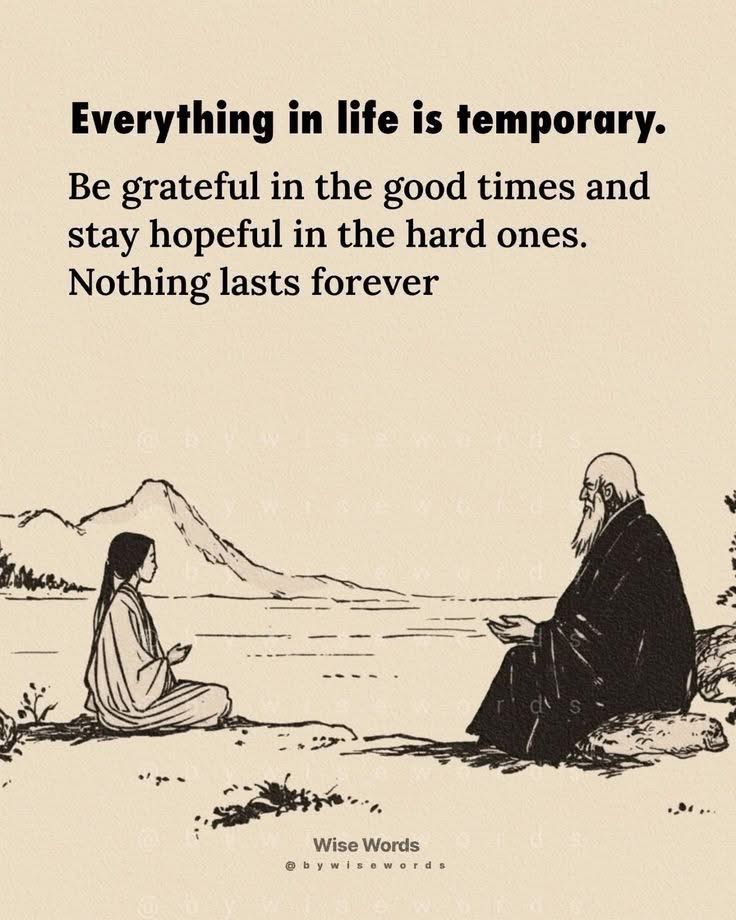
Practicing Gratitude: Actively looking for things to be grateful for, even in difficult times, can build a more positive outlook.
Seeking Support: Reaching out to others and leveraging empathy from friends, family, or professionals can provide the “candle” needed to find one’s way through challenging times.
Self-Care and Self-Compassion: Prioritizing physical and mental well-being (sleep, nutrition, exercise) and treating oneself with kindness helps build the necessary energy and resilience to cope with challenges.
Mindfulness and Reflection: Engaging in self-reflection through methods like journaling helps identify negative patterns and work through emotions.
Purpose and Action: Focusing on solutions, contributing to the well-being of others (kindness), and engaging in goal-oriented behavior can provide meaning and purpose during difficult periods.
Ultimately, this skill is about acknowledging the dualism of light and dark within human experience and developing the psychological tools to navigate this balance effectively for overall well-being.
When Hitler invaded Poland and started World War 2 would the news stations have been beaming around the world his justification for going to war and would we have been relying on journalists cleared by or operating within the rules of what the Nazis deemed as appropriate to broadcast to ‘inform’ us of what is going on in Germany and the countries being conquered by the Nazi regime. What a question to consider you might say.
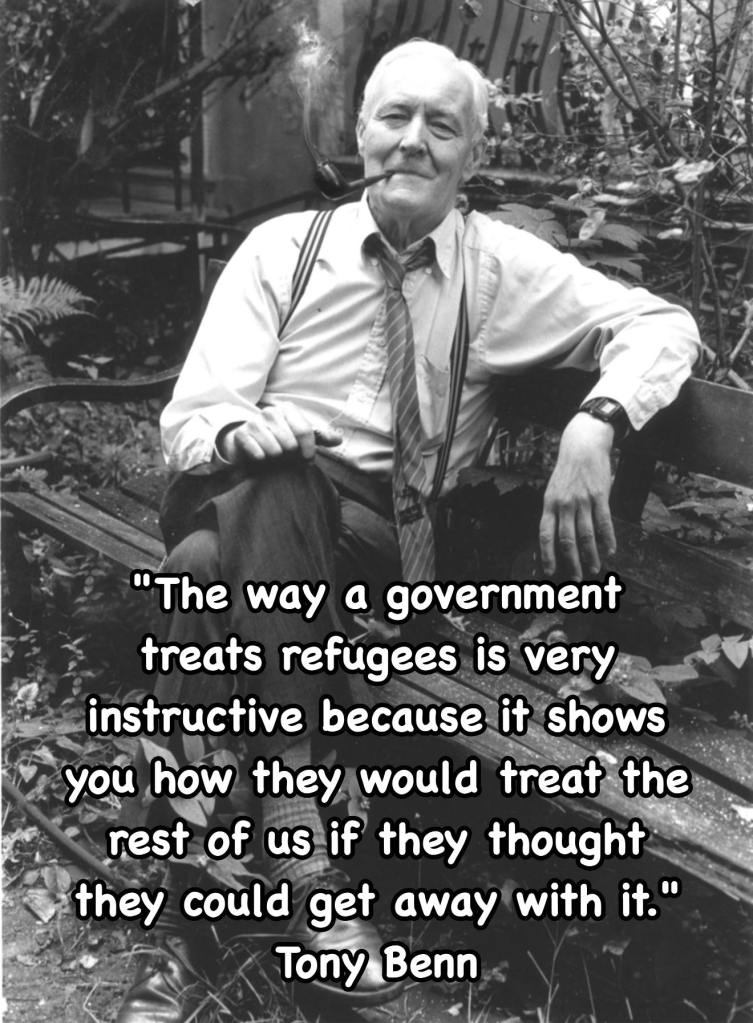
But it really does feel in Russia, Israel and to some extent news from the White House in the USA, it is very much in a one directional form of information presentation. Which we are handed on a plate and if unpalatable then tough luck sucker this is the perspective we are telling you is truth today.
For example Russia entered a righteous war in Ukraine and did not invade a sovereign state for its strategic advancement. You think the fascists in Russia are bad you should watch the videos about the fascists in Ukraine their much much worse than the Russian ones or so the propaganda machine journalists of the Russian state would have people believe as some conspiracist lap this up as so called food for thought.
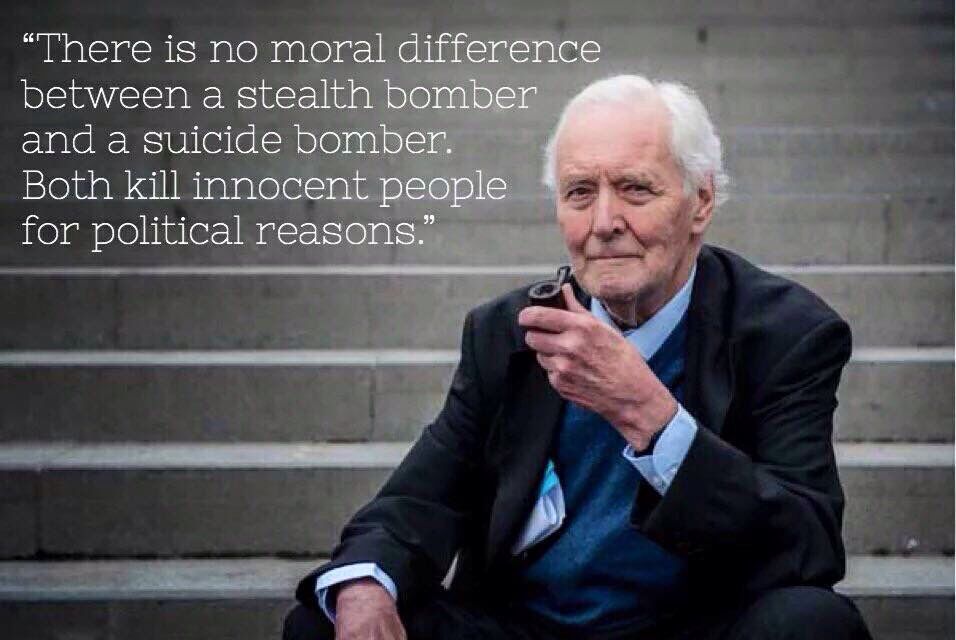
In Gazza there is an outright genocide through starvation and bombing which our satellite television channels keep on tuning into Israel governments propaganda machine very much like if during World War 2 a Nazi spokesperson explaining live on TV the importance of workcamps to set people free and house jews within them and completely denying the gas chambers as malicious gossip.
In the USA millions of dollars of oversee life saving food, aid and healthcare programmes have been stopped overnight which will lead to the death of citizens across the globe whilst ICE’s US deportation teams kick people out of the country or detain them within the country with out due legal process if not costing lives certainly severally impacting on lives and the big lie reported live on satellite TV by the US governments team is that illegal immigrants are all rapists, murders and drug dealers and therefore need to go.
Its never been easier to report bullshit as fact and facts as bullshit on the TV. Truth is still truth though and facts are still facts, it just so happens I seem to spend more time these days trying to tune out the lies and bullshit than I do tune into fact and truths.
I’m as mad as hell, and I’m not going to take this anymore! Speech from Network (1976)
You must be logged in to post a comment.