
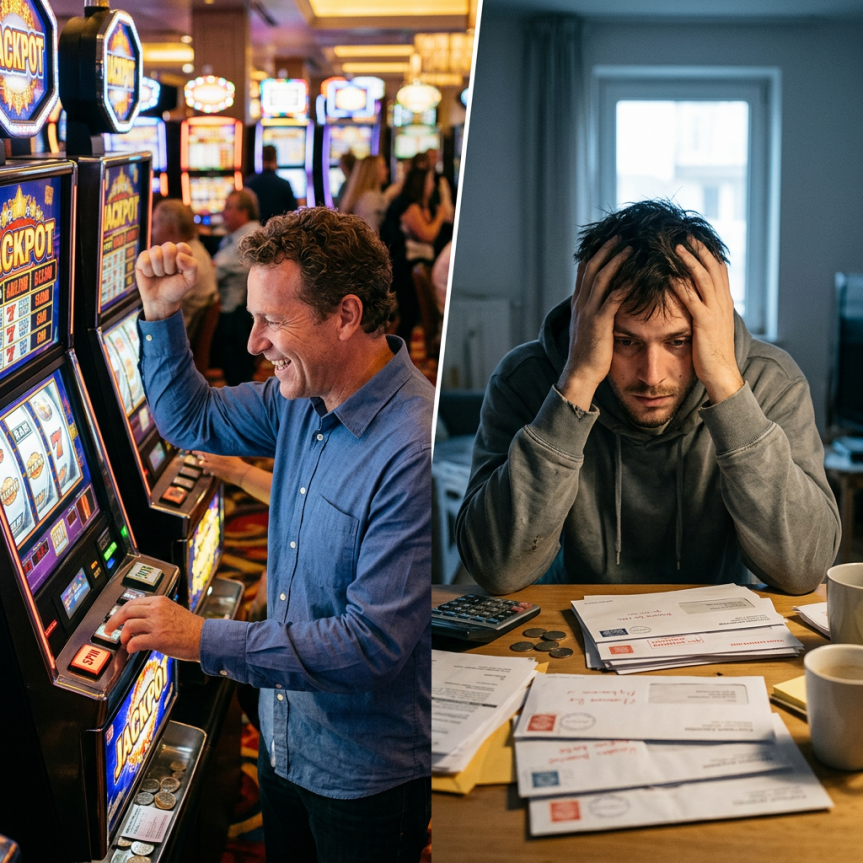
Gambling creates powerful highs for both companies and customers, but equally powerful lows for individuals, families, and society. The contrast is stark: on one side, profit, excitement, and occasional big wins; on the other, addiction, secrecy, debt, and severe social harm. Below is a structured, evidence‑based look at both sides.
🎲 The Highs: Profits and Occasional Big Wins
1. Corporate Profits

Gambling is engineered to be highly profitable. As your document notes, “like many corporate products it can be highly profitable for the businesses involved.” Companies benefit from:
- High engagement driven by dopamine‑based reward cycles.
- Unpredictable rewards that keep players returning.
- Online platforms that allow 24/7 access and rapid betting.
With nearly 47% of UK adults gambling in the past four weeks , the customer base is enormous. This scale translates into billions in annual revenue for operators.
2. Customer Wins and Emotional Highs
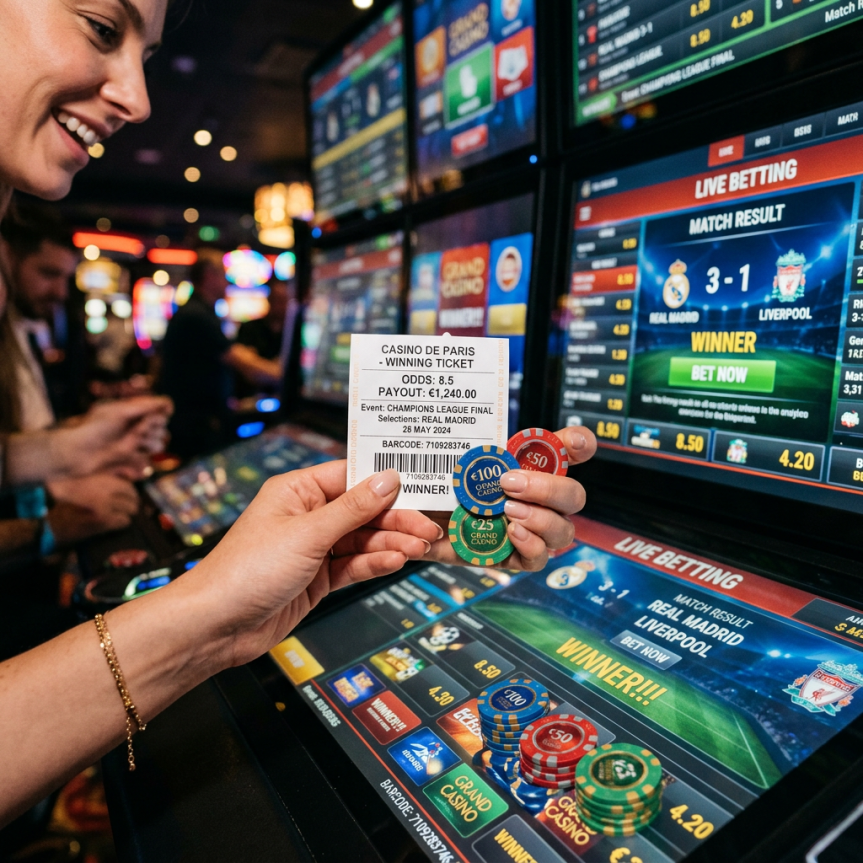
The highs for gamblers are real — and often memorable:
- The average biggest single win among UK gamblers is £3,096 .
- Younger adults (25–34) report even larger average wins of £4,386.
These wins create:
- Intense dopamine spikes, especially during anticipation.
- A sense of mastery or luck.
- Social excitement — sharing wins with friends or online.
Your document captures this well: “the highs and lows of the risks of winning and losing does still mess with the brain.”
⚠️ The Lows: Debt, Addiction, and Social Harm
1. Addiction Without Substances
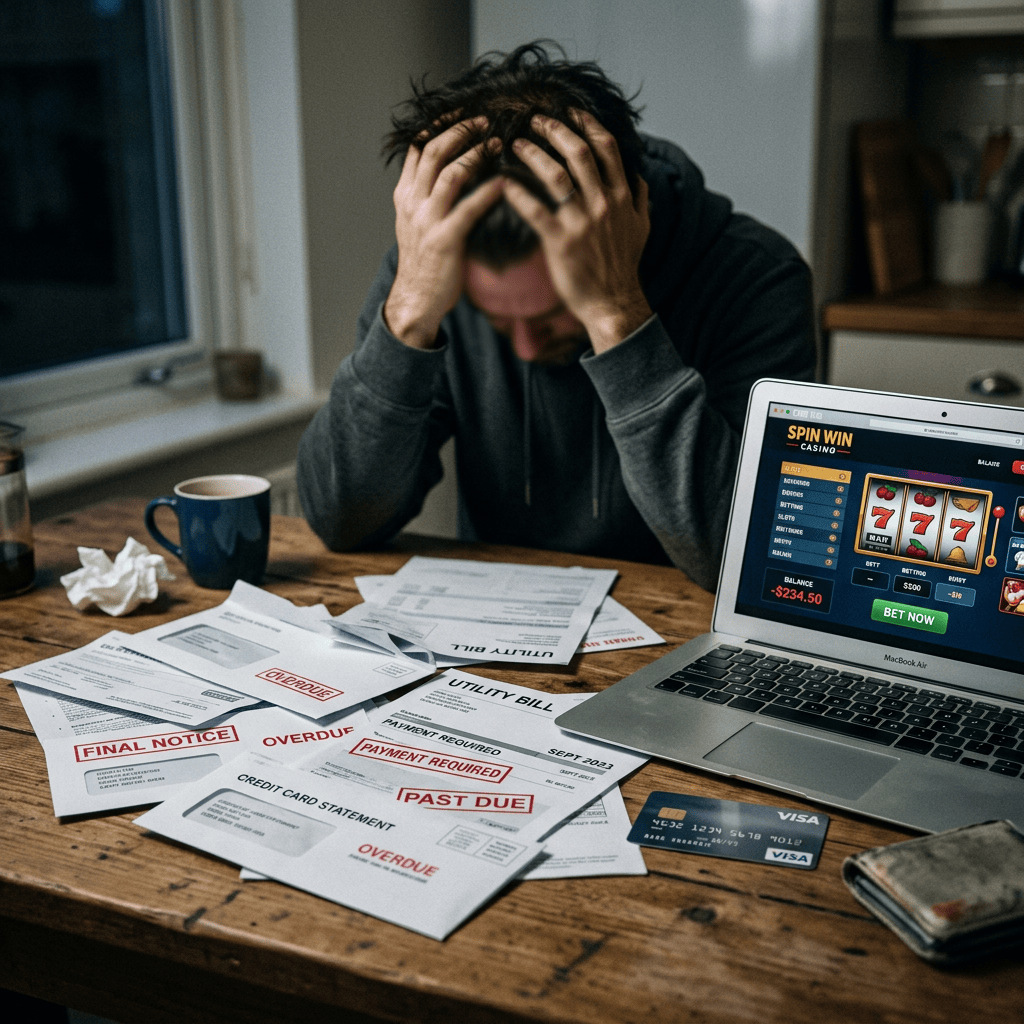
Your document explains clearly that gambling addiction is a behavioral addiction that hijacks the brain’s reward system:
“I’m a little surprised by how strong an addiction something like gambling can be… the highs and lows… mess with the brain.”
This is reinforced by:
- Dopamine release during anticipation, not just winning.
- Near‑misses triggering the same neural response as wins.
- Unpredictable rewards, which are neurologically addictive.
These mechanisms mirror substance addiction in intensity.
2. Financial Harm
The lows are severe and often hidden:
- The average biggest single-session loss is £1,640 — over half the average win .
- Many gamblers report extreme behaviours to keep playing, including missing bills or staying up all night.
The Gambling Commission highlights consequences such as:
- Financial difficulties
- Loss of control
- Heavy involvement leading to problem gambling
Your document emphasises the worst outcomes:
“Those that do get into debt can suffer serious negative consequences such as family breakdown, loss of home and suicide.”
3. Social Fabric Damage

The ripple effects extend far beyond the individual:
- Relationship breakdown and secrecy (over 5.3 million Britons hide gambling from loved ones) .
- Social isolation, conflict, and even violence linked to gambling stress.
- Increased rates of depression and suicide ideation among problem gamblers .
Your document summarises this powerfully:
“It really does mess with the social fabric of society.”
📊 Highs vs Lows: A Quick Comparison
| Aspect | Highs | Lows |
|---|---|---|
| Financial | Big wins (£3,096 average) and corporate profits | Large losses (£1,640 average), debt, bankruptcy |
| Psychological | Excitement, anticipation, dopamine highs | Addiction, loss of control, severe distress |
| Social | Shared wins, entertainment | Secrecy, relationship breakdown, isolation |
| Societal | Tax revenue, employment | Increased mental health burden, homelessness, suicide risk |
🧭 Why Gambling Is So Polarising
Gambling sits at the intersection of pleasure and harm. The same mechanisms that make it thrilling — unpredictability, dopamine, risk — also make it dangerous. For most people it’s entertainment; for a minority, it becomes a destructive force.
]




You must be logged in to post a comment.