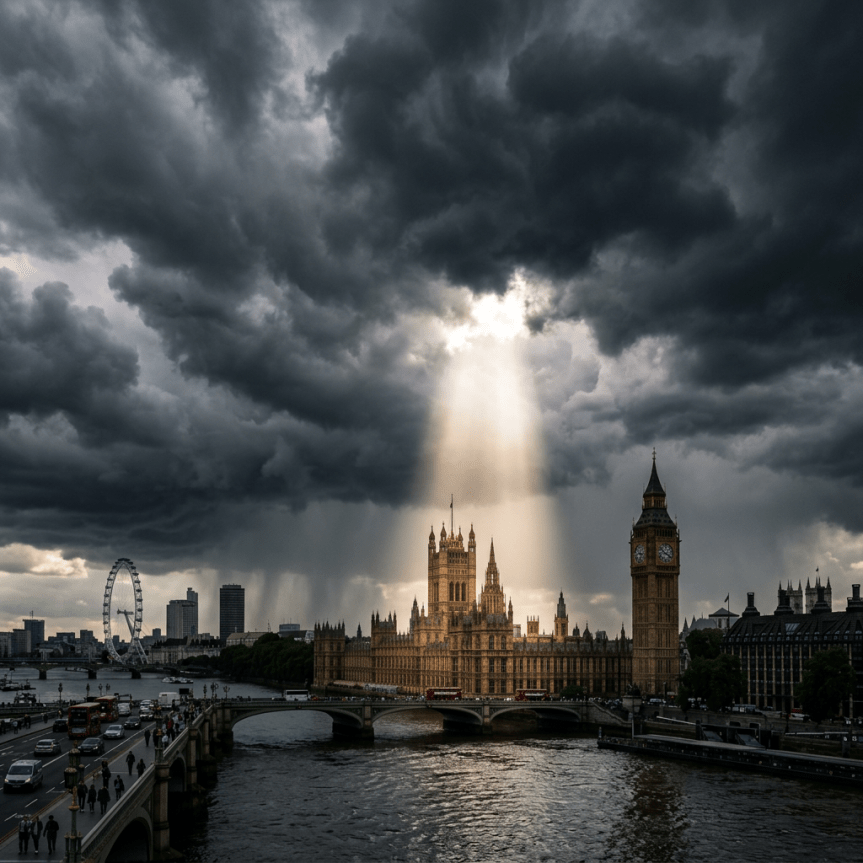
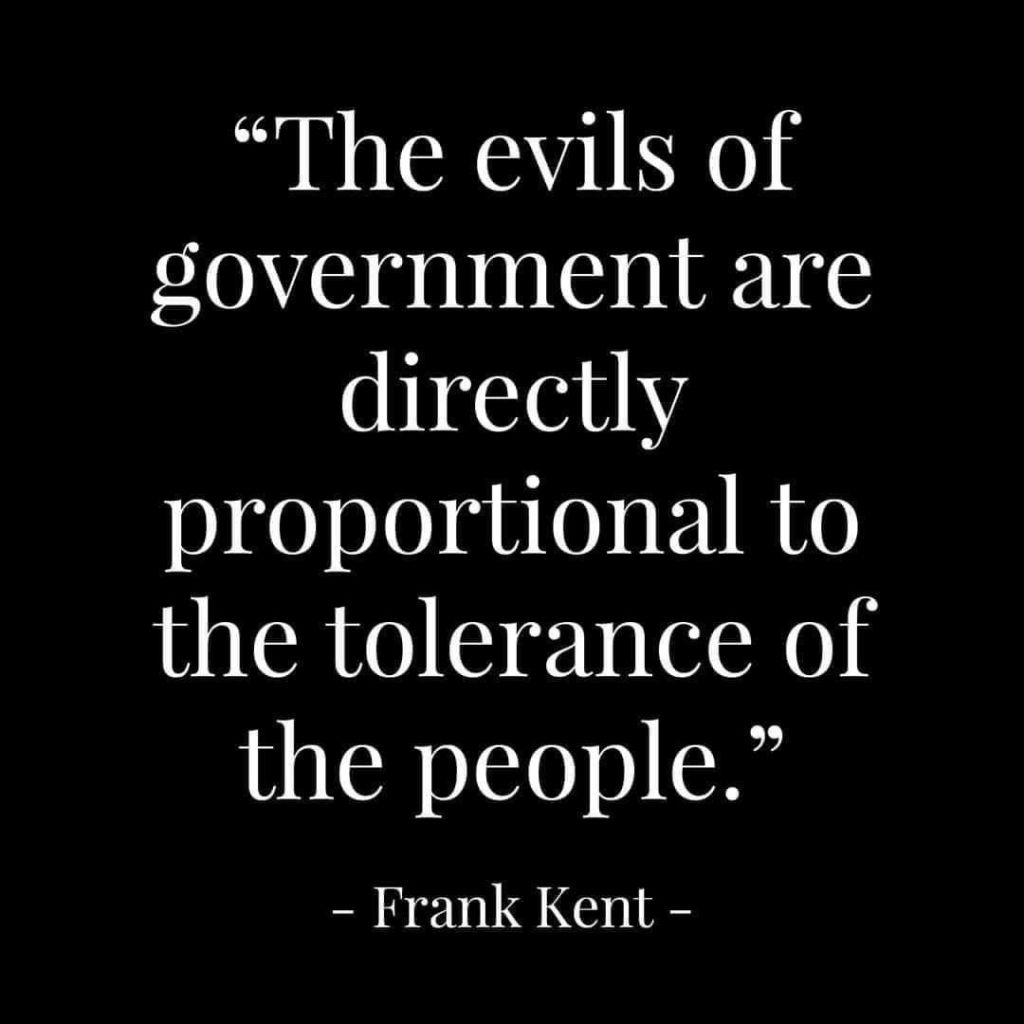
But have the politicians in power listened? Members of Parliament in the Labour Party this evening are starting to put wheels into motion to remove the Labour Prime Minster, Keir Starmer from office as the head of the UK government. The necessary evil about politics and human nature is people do not like to speak out, protest or show dissent unless or until they feel what is politically happening directly affects them it appears this even relates directly to Labour members of Parliament.
If Starmer goes he will be a casualty of not only his own poor policy decisions and a straight jacketed poor election manifesto which promised to not increase peoples income tax whilst trying to fix austerity of the Conservative years of government mismanagement and cut backs. The billion pound elephant in the room is always the need to tax wealth of the rich which will potentially destabilise financial markets whilst make enemies of the wealthy press and media empires of the world whilst tackling the genuine black holes of multimillionaires absorbing wealth and financial assets and turning them merely into digits on a spread sheet which society is locked out of benefiting from until we tax it back.
Sadly the Labour Party does not seem ready for the challenges that the UK really needs to face up to but who is ready to if not them? I wrote a blog post below back in November 2024 about Labours’ downfall from what it appeared to be good policies at the time and sadly things went and got a lot worse for them even quicker than they might have thought. Well in the UK many buisness are presently going bust due to UK economic and the global economic climate, it seems parties and Prime Ministers can go bust too.
Hannah Spencer’s victory in the Gorton and Denton by‑election marks one of the most significant political upsets in modern Greater Manchester history. Winning 14,980 votes (40.7%), she not only defeated Reform UK’s Matt Goodwin but pushed Labour — the area’s dominant force since 1931 — into third place.
Her win brings the Green Party’s total representation in the House of Commons to five MPs, joining Siân Berry, Adrian Ramsay, Carla Denyer, and Ellie Chowns.
A Working‑Class Story That Resonated
Spencer’s background is central to her political appeal. A plumber and qualified plasterer, she trained after leaving school at 16 and continued working while campaigning — even telling clients she’d have to cancel their booked jobs because she was “heading to Parliament.”
She has lived in Manchester her entire life, leads the Green group on her local council, and previously ran for Mayor of Greater Manchester. Despite this experience, she insists she “did not grow up wanting to be a politician,” positioning herself as a genuine working‑class representative rather than a career political figure.
Her personal life adds to her grounded image: she’s a marathon runner and shares her home with four rescued greyhounds.
Why Her Victory Matters
Spencer’s win is more than a local upset — it signals a broader shift in British politics:
Labour’s declining dominance: The party’s vote collapsed dramatically, reflecting wider dissatisfaction with Keir Starmer’s leadership. Polls now suggest he is the most unpopular prime minister since modern surveys began.
Green Party momentum: Party leader Zack Polanski described the result as “tearing the roof off British politics,” arguing that there are now no “no‑go areas” for the Greens.
A new kind of Green MP: Spencer embodies a shift away from the party’s traditional middle‑class image, aligning instead with cost‑of‑living concerns and working‑class representation.
Her victory speech captured this mood, declaring:
“We defeated the parties of billionaire donors.”
What Comes Next?
As the Green Party’s first ever by‑election winner, Spencer enters Parliament with significant symbolic weight. Her challenge now is to translate her grassroots credibility into national influence — and to show that her win is not an anomaly but part of a growing realignment in British politics.
British Politician Keir Starmer working for and with Trump as he sees that he can’t afford to deny his lies for what he calculates the United Kingdom will lose politically and economically.
What red lines if any have been drawn and what will it take to cross them?
Keir Starmer’s government (elected in 2024) has prioritized a pragmatic, realpolitik approach to managing the UK’s “special relationship” with Donald Trump’s US administration. While he has publicly condemned Trump’s past rhetoric and some specific actions, he has avoided drawing explicit public “red lines,” opting instead for diplomatic engagement to protect UK national interests.
Stated Position on Trump
Starmer has moved from calling Trump’s past comments “absolutely repugnant” to adopting a more measured, Prime Ministerial tone, stating that a leader must work with whoever the American people elect. He has emphasized the need to “make it work” due to the importance of the UK-US relationship.
In 2026, Prime Minister Keir Starmer’s relationship with President Donald Trump is defined by a “realpolitik” strategy that prioritizes economic and national security over ideological confrontation. Facing a global landscape altered by aggressive U.S. actions, Starmer has adopted a “softly-softly” approach to manage the risks of a trade war and maintain the UK’s influence.
Strategic Pragmatism and “Atlantic Bridge” Diplomacy
Starmer has resisted choosing between the U.S. and the EU, attempting to position the UK as a bridge between the two. This calculation is driven by several factors:
Avoiding Trade Penalties: Starmer led efforts to cut deals with the Trump administration to insulate the UK from high tariffs. However, this has come at a cost; the UK recently ceded to U.S. threats regarding pharmaceutical tariffs, which may increase costs for the NHS.
Security Alignment: In recent calls (January 7–8, 2026), Starmer and Trump agreed on the need to deter Russian aggression in the Arctic, despite deep tensions over other U.S. maneuvers.
The “Trump Corollary”: Following the U.S. military intervention in Venezuela in early 2026, Starmer declined to condemn the action’s legality, focusing instead on maintaining a “holding position” to avoid alienating the White House.
Key Areas of Friction in 2026
“Red Lines” and Crossing Them
Starmer has avoided drawing firm public red lines, a strategy that has drawn criticism from opposition parties and some Labour backbenchers who accuse him of “craven subservience”.
International Law: The closest an implicit “red line” has been tested is over US military actions in Venezuela and Trump’s comments on acquiring Greenland in January 2026. While the Scottish First Minister and others urged Starmer to condemn these actions as breaches of international law, Starmer declined to do so publicly, stating it was “for the US to justify the actions it has taken” and that he was waiting for all the facts. This pragmatic approach suggests that verbal condemnation of US military action is not a red line that would break the relationship.
NATO Commitment: Starmer has stressed the importance of backing Ukraine and maintaining a strong Euro-Atlantic security alliance, which is a core value for his government. A significant US withdrawal from NATO or security cooperation would force a major UK policy rethink, although Starmer has not publicly stated this would end the relationship.
Trade: The Starmer government has engaged in trade discussions with the Trump administration, making compromises such as reducing import tariffs on cars and scrapping tariffs on US beef to secure deals and prevent trade wars. This demonstrates a willingness to make concessions to maintain economic stability.
Potential Political and Economic Losses
Starmer and analysts have identified several potential political and economic risks associated with Trump’s presidency:
Political/Diplomatic:
Loss of moral compass: By refusing to condemn actions like the invasion of Venezuela, critics argue the UK government risks losing its moral authority on the international stage and its standing as an advocate for international law.
Subservience: The perception of the UK as a subservient partner to the US (where the “US says jump, Britain asks how high”) is a significant political risk that can be exploited by domestic rivals like Reform UK.
Isolation: Trump’s “America First” approach and hostility to multi-lateral institutions may leave the UK more exposed on security and global issues, pushing Britain into a “strategic bind” between the US and Europe.
Economic:
Tariff wars: Trump’s use of tariffs has created significant economic uncertainty. While the UK has so far managed to mitigate some of the worst impacts through negotiation, the threat of tariffs (e.g., on pharmaceuticals) remains and could impact the NHS and other sectors.
Trade-offs: Securing trade deals with the US has required painful concessions, such as the potential impact on the NHS through pharmaceutical access or the agricultural sector via increased US imports.
Reduced EU cooperation: The necessity to court Trump for a US trade deal may impede Starmer’s goal of achieving closer economic ties with the EU, which some analysts believe offers a larger potential GDP boost than a US deal.
It seems at this moment time it seems almost like it is the powerless with the most to lose or who have already lost so much, that show the greatest power to stand up against Trump.








You must be logged in to post a comment.