
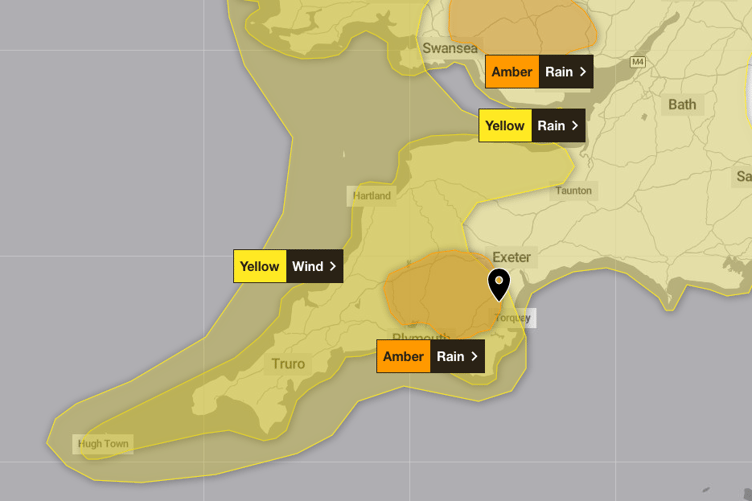
It is quite early in the flooding season here in the South West of England although if and when a flood hits a place, it is never expected or predicted to occur. Yes on the weather forecasts they talk about chance of floods and rain but until it happens to you, you just don’t expect it at all. As yet my home or even close to my home has never been flooded from rain or rivers rising although that is not to say it could not or would not happen.
We lived on a hill in Spreyton in our first home there and although we experienced good moorland rain through autumn and winter and at other times too and although the roads leading up to the hilltop village would flood Spreyton always seemed a million miles away from flooding itself being 180 metres above sea level. One of my parents properties did once get flooded, when they lived at the bottom of a hill once, possibly while I was away at university or living in Exeter and a little river formed unexpectedly from the back door taking water quickly out to the front door, luckily not to much damage was done at the time and preventative lessons were learnt.
I feel with living so close to a river about 1 km away with the road close to me known to occasionally flood I stand a good chance of getting flooded at some time in the future myself. I live in social housing and so my rent is fair and affordable but if the worst happened and I was flooded I wanted to check as to what I should do or the practical consequences of flooding after the event. This property has never flooded from the river and so I hope it never does.
Checking the genius that is AI concerning advice and help I discovered the following:-
Immediate Steps & What to Do Next
Prioritise Safety: Ensure everyone is safe. Turn off utilities (gas, electricity) if it’s safe to do so.
Contact Emergency Services if there is an immediate danger to life.
Report to Landlord: Immediately contact housing association through their emergency reporting method (usually a 24-hour phone line). Follow up in writing.
Stay Safe: Follow official advice; don’t clean or repair until the landlord inspects.
Document Everything: Take photos and videos of the damage to the property and your belongings. Keep receipts for any unexpected expenses, such as hotel stays.
If your housing association flat floods, your key rights are for your landlord to make the property fit to live in (health and safety), provide emergency accommodation if needed, and conduct repairs within set timescales (24 hours for emergencies), with potential compensation for damage and rent relief if they delay, but you’re responsible for insuring your own belongings.
Repairs: Must repair structural damage (walls, ceilings, plumbing) and ensure the property is safe and habitable.
Emergency Repairs: Must fix emergency hazards within 24 hours (e.g., major structural issues, unsafe electrics).
Temporary Housing: Must offer emergency accommodation if the flat is uninhabitable.
Compensation: You can claim for damage to your belongings and loss of use if they fail to act.
Your Rights
Rent Reduction/Refund: You can ask for a rent reduction or refund for the time you can’t use your home.
Compensation: For property damage (belongings) and inconvenience due to delays.
Legal Action: Escalate to the Housing Ombudsman or consider the Small Claims Court if they refuse repairs.
Your Responsibilities
Your Belongings: You must have your own contents insurance to cover your furniture, clothes, etc., as the landlord’s insurance only covers the building structure.
Report Promptly: Landlords are only responsible for damage once they know about it.
Seek Advice: If your landlord does not act within the required timeframes, you can seek advice from local district council, Shelter England or Citizens Advice.
Escalate: If the issue is not resolved, you can complain to the Housing Ombudsman Service, which is a free and impartial service for social housing tenants.
I can sadly imagine the heartache, sorrow and amount of issues there would be if a property gets flooded and hope it never actually happens but feel its best to be aware just in case it does.
Important measures people are also advised to do prior to an emergency are as follows :-
Prepare an Emergency Flood Kit
Assemble a “grab bag” of essentials in a waterproof container and store it in a high, accessible place. Items to include are:
Important documents: Insurance policies, passports, and medical records stored in waterproof bags.
Medications and first-aid: Any prescription medicines, a first aid kit, and essential baby or pet supplies.
Supplies: Bottled water (at least 2.5-3 litres per person per day recommended for survival), non-perishable food that doesn’t need cooking, and a manual can opener.
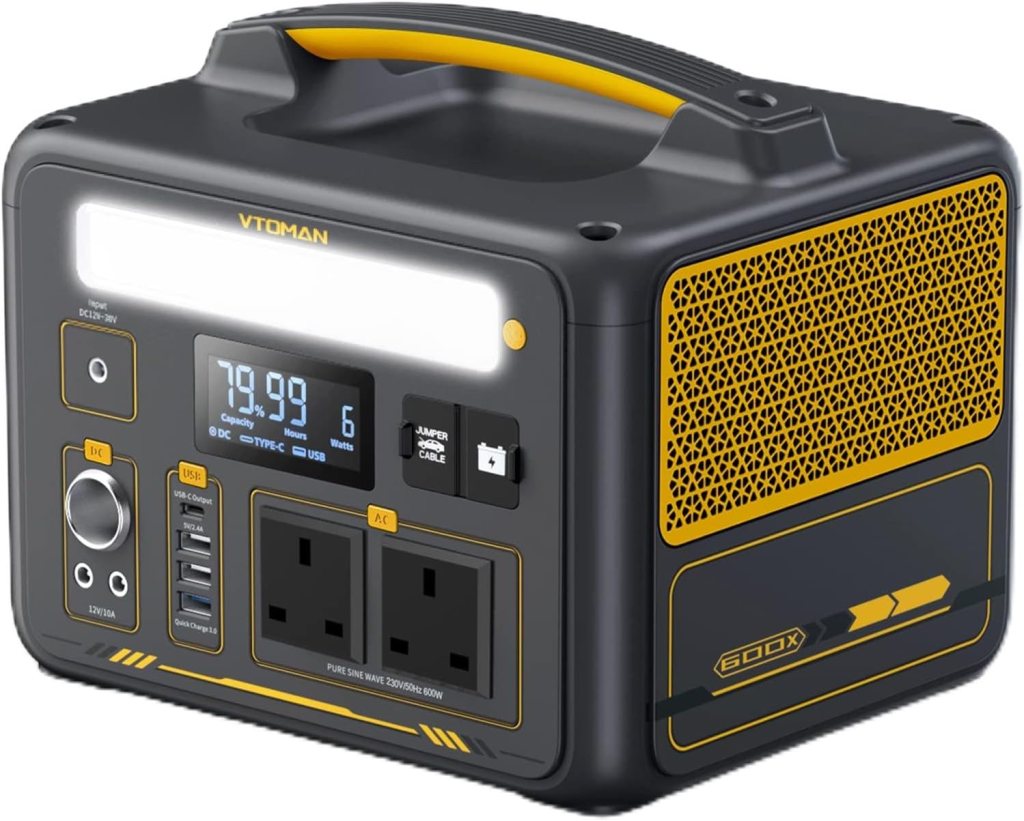
Electronics: A battery or wind-up torch, a portable radio for updates, spare batteries, and a power bank for charging your mobile phone.
Clothing: Warm, waterproof clothing and sturdy shoes for everyone in the household.
Cash: A small amount of cash, as ATMs and card machines may be out of use.
Though I am not organised to do all of the above and living in a city I hope I would get some help and support sooner than in a remote area. I do aim to have my wallet, keys and phone all within reachable distance of me at all times of day.
I try to keep my mobile charged and a rucksack with my laptop and charges in it to if needing to leave in a hurry. I do have a folder with important documents kept high up in flat and sign up to emergency alerts and early flood warnings too.





 Welcome to Huwspace
You must be logged in to post a comment.