
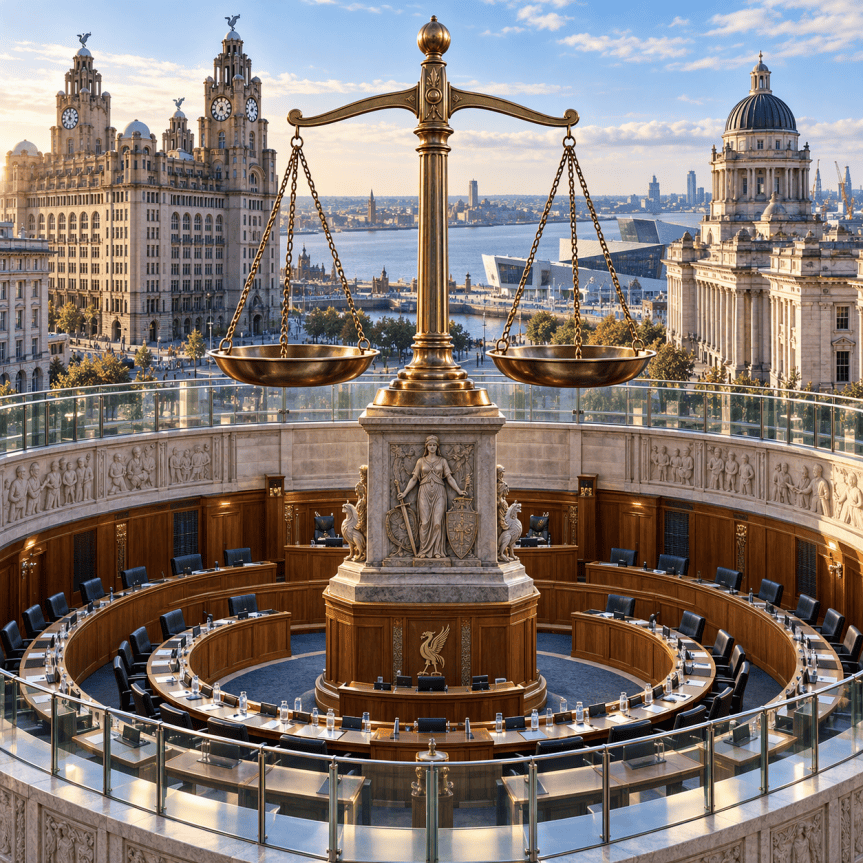
One of the foundations of a democratic society is the principle that nobody is above the law. Whether an individual is a prime minister, councillor, mayor, business executive or ordinary citizen, the same legal standards must apply. Public trust in government depends upon the belief that those entrusted with power can be held accountable when they misuse that power.
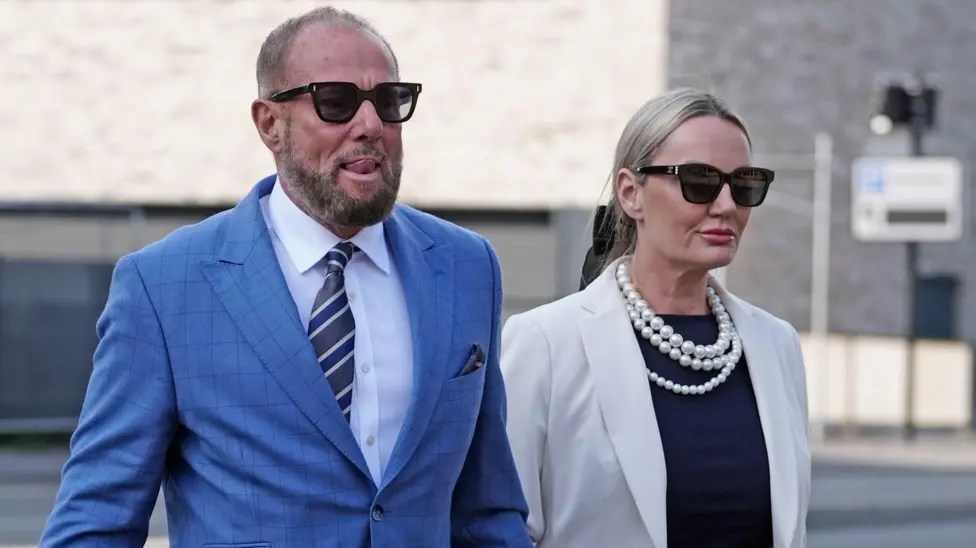
The public career of Derek Anthony Hatton, the former Deputy Leader of Liverpool City Council, illustrates why accountability in public life remains so important. Over four decades, he has been involved in a series of significant legal disputes involving the District Auditor, Merseyside Police and Liverpool City Council, producing a mixture of adverse findings, acquittals and ongoing legal proceedings.
Why Accountability Matters
Politicians are entrusted with powers that affect entire communities. They influence decisions relating to housing, planning, public spending, economic development and local services. Unlike private individuals, their decisions can affect the lives of thousands, sometimes millions, of people.
Because politicians exercise public authority, they should reasonably be expected to meet high standards of conduct. When allegations of wrongdoing arise, independent investigation is not an attack on democracy. It is democracy functioning as intended.
Without accountability, public confidence can quickly erode. Citizens begin to question whether public office serves the public interest or protects those already in positions of influence.
The Legal Cases Involving Derek Hatton
The most significant judicial finding against Derek Anthony Hatton arose from Liverpool’s rate-capping dispute during the 1980s. Courts upheld findings that Liverpool councillors had engaged in wilful misconduct by failing to set a lawful rate on time, leading ultimately to disqualification from public office and substantial financial penalties.
However, other legal proceedings produced very different outcomes. Criminal prosecutions arising from Operation Cheetah, involving allegations surrounding a council land transaction, resulted in acquittals after trial. Likewise, theft and deception charges brought in the mid-1990s also ended in acquittal.
More recently, Derek Anthony Hatton has been charged in connection with Merseyside Police’s Operation Aloft investigation into Liverpool City Council-related matters. He has pleaded not guilty and the case is scheduled for trial in 2027. These allegations remain unproven until determined by the courts.
The varying outcomes of these cases demonstrate an important constitutional principle. The justice system exists not to secure convictions at all costs but to establish facts fairly and independently.
Justice Must Apply Equally
The argument for accountability is sometimes misunderstood as an argument for punishment. The two are not the same.
A healthy democracy requires both accountability and fairness. Allegations should be investigated thoroughly, evidence should be tested properly and innocent individuals should be cleared if the evidence does not support the accusations.
The same legal system that protects the public from corruption also protects individuals from unfair accusations.
This is why the presumption of innocence remains such an important principle. Political views, media coverage or public opinion should never replace the role of the courts.
Why Politicians Should Face Consequences When They Break the Law
When a politician is found to have broken the law, consequences matter for several reasons:
1. Protecting Public Trust
Citizens pay taxes and place confidence in elected representatives to act in the public interest. Failure to address misconduct weakens that trust.
2. Protecting Public Money
Local authorities and governments control vast sums of public money. Accountability helps ensure that resources are used properly and lawfully.
3. Maintaining Democratic Legitimacy
Democracy cannot function effectively if voters believe there is one set of rules for politicians and another for everyone else.
4. Deterring Future Misconduct
Visible accountability sends a message that public office carries responsibilities as well as privileges.
5. Upholding the Rule of Law
The rule of law remains one of the most important safeguards of a free society. It ensures that power operates within legal limits rather than personal discretion.
Lessons for Modern Politics
Public distrust of political institutions has become a recurring feature of modern democratic societies. Scandals involving expenses, lobbying, procurement and conflicts of interest have contributed to growing cynicism among voters.
The answer is not weaker scrutiny, but stronger scrutiny.
Independent auditors, investigators, prosecutors and judges perform an essential role in protecting democratic institutions. Their work helps ensure that public power remains accountable to the law.
The long-running legal history surrounding Derek Anthony Hatton highlights both sides of this principle. Where wrongdoing has been found, sanctions have followed. Where allegations have not been proven, acquittals have been secured. Where allegations remain unresolved, it is the responsibility of the courts to determine the outcome.
Conclusion
The significance of the cases involving Derek Anthony Hatton extends beyond one individual. They raise broader questions about the relationship between power, accountability and justice in a democratic society.
A functioning democracy requires confidence that politicians can be investigated when necessary, prosecuted where evidence justifies it and cleared when allegations cannot be proven. Equal justice, not selective justice, is the principle that ultimately protects both the public and those who serve in public office.
The rule of law remains strongest when it applies equally to everyone, regardless of status, popularity or political affiliation.


