
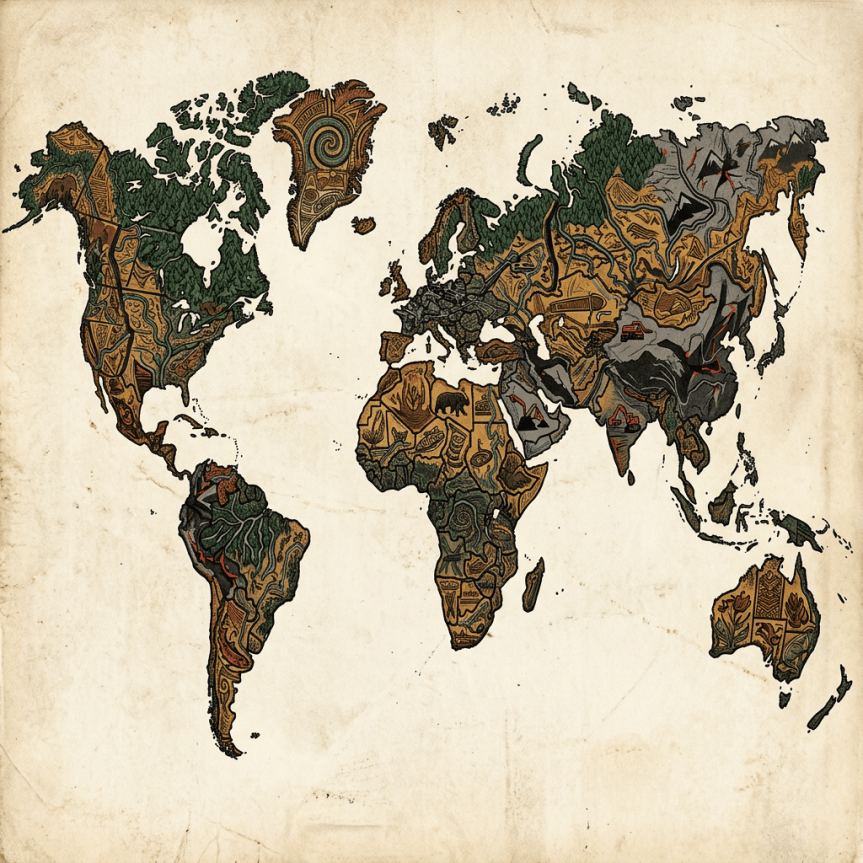
Across continents and political systems, Indigenous peoples face the same quiet violence: they are allowed to exist, but not to prosper. They are granted symbolic recognition, but denied economic autonomy. They are praised for “living close to the land,” yet systematically prevented from earning a living from that land.
The pattern is not accidental. It is structural. And it is global.
“Indigenous populations are systematically let down by bureaucratic zoning restrictions, structural displacement, commercial undercutting, and legal loopholes that block them from economically profiting from their ancestral lands.”
from Australia to Palestine, Brazil to the USA — and this reveals a deeper truth about modern capitalism’s relationship with Indigenous cultures.
🪨 Australia: Cultural Rights Without Economic Rights
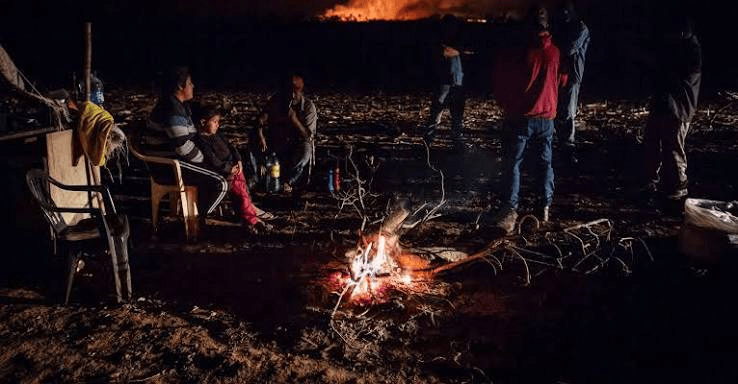
Australia’s Native Title system is often celebrated as a landmark recognition of Indigenous land rights. But the reality is far more constrained.
“Native Title frequently allows First Nations peoples the right to hunt, fish, or camp for traditional purposes, but strictly prohibits them from using those same resources for commercial sale or profit.”
This is the core failure: Indigenous Australians are permitted to be Indigenous, but not to benefit from their land in the same way corporations do.
Meanwhile, mining giants can override Native Title protections entirely. The land is sacred when Indigenous people use it — but negotiable when corporations want it.
This is not protection. It is containment.
🌿 New Zealand: Conservation as a Tool of Control

In Aotearoa, Māori rights are guaranteed under Te Tiriti o Waitangi — yet economic autonomy is throttled by regulatory barriers.
“Large swathes of ancestral Māori land have been absorbed into state-run national parks… preventing Māori iwi from establishing eco‑tourism, forestry, or aquaculture businesses.”
Environmental protection becomes a bureaucratic shield for corporate interests. Māori are told they cannot profit from their land because it must be preserved — while non‑Indigenous companies operate freely in adjacent areas.
This is conservation without justice. A green veneer over an old colonial pattern.
🪶 USA: Sovereignty Without Ownership
Native American nations are described as sovereign — but sovereignty means little when the land itself is not legally theirs.
“Federal Trust Trap”: “Reservation land is legally held ‘in trust’ by the US federal government… tribes cannot use it as collateral to secure bank loans.”
This single legal structure blocks Indigenous entrepreneurs from building independent economies. It is economic suffocation disguised as protection.
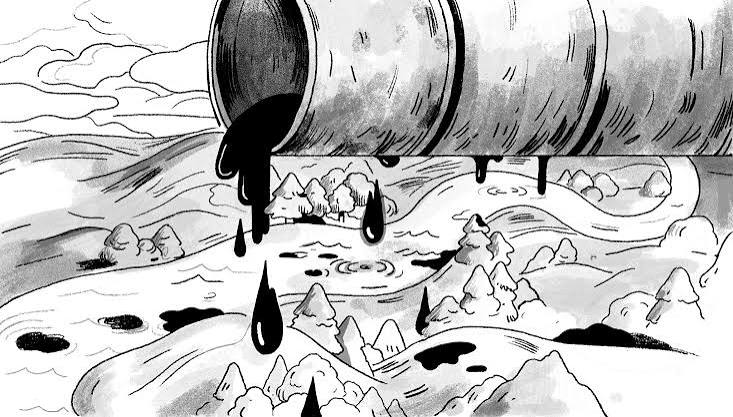
Meanwhile, pipelines, mining operations, and toxic waste sites are approved on tribal land without tribal consent — a form of environmental racism that extracts profit while leaving Indigenous communities with the damage.
Sovereignty becomes symbolic. Profit remains colonial.
🌾 Palestine: Land as a Weapon
In Palestine, the failure is not bureaucratic — it is militarised.
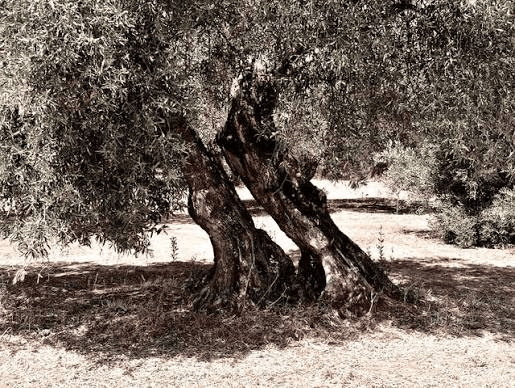
“Palestinian farmers face routine land grabs, home demolitions, and the systematic destruction of their olive groves.”
Area C — the most fertile land — is locked behind military control. Palestinians are denied permits to dig wells, build greenhouses, or transport crops. Settler farms next door enjoy full access to water, infrastructure, and global export markets.
This is not just economic exclusion. It is economic strangulation.
🌳 South America: Extraction, Corruption, and Corporate Capture
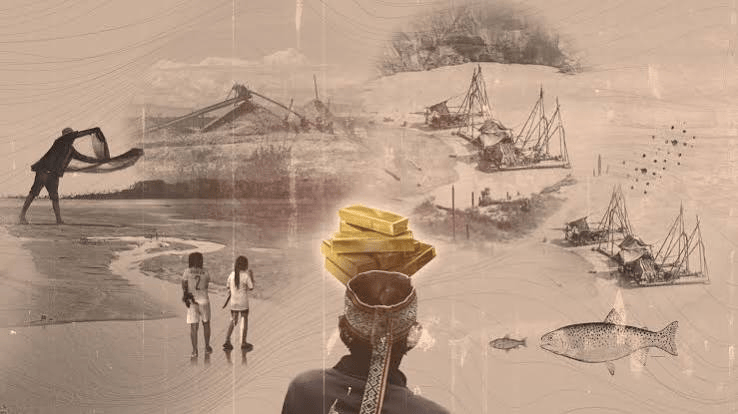
Across Brazil, Colombia, Argentina, Peru, and the wider Amazon basin, Indigenous communities face a brutal combination of legal restriction and illegal exploitation.
Brazil’s system is an “abridgement of rights”: “Indigenous groups are prohibited from renting out land, leasing mining concessions, or selling extraction rights.”
In Colombia, armed groups and agribusinesses invade legally recognised Indigenous territories, pushing communities onto “micro‑plots” while corporations profit from the rest.
In Argentina, deregulation threatens to hand Indigenous land to multinational agribusiness.
In Peru, corruption and illegal mining destroy forests and poison rivers: “Thousands of illegal gold miners introduce mercury pollution… decimating the ecosystems Indigenous communities require.”
Across the continent, the message is the same: Indigenous land is valuable — but only when someone else controls it.
🧭 The Global Pattern: Cultural Survival Without Economic Power
Across all regions, there is the same structural failure:
“Modern disputes target the ability of Indigenous peoples to run businesses, harvest resources, or sustain themselves independently from state‑controlled financial systems.”
Indigenous communities are allowed identity, but not autonomy. Culture, but not commerce. Presence, but not power.
This is how modern systems maintain colonial hierarchies without appearing colonial.
🔥 Why This Matters
When Indigenous peoples cannot profit from their land, they cannot sustain their communities. When they cannot sustain their communities, they cannot protect their culture. When they cannot protect their culture, the world loses knowledge, biodiversity, and ways of living that corporate systems cannot replace.
This is not just an Indigenous issue. It is a planetary issue.
Indigenous stewardship protects forests, rivers, and ecosystems that global capitalism destroys. Their exclusion is not only unjust — it is self‑destructive for humanity.
🌏 A Different Future Is Possible
A world that values Indigenous autonomy would:
- Recognise land rights as economic rights
- Transfer decision‑making power to Indigenous communities
- End corporate veto power over Indigenous territories
- Protect ecosystems by empowering those who have protected them for millennia
- Replace extractive models with regenerative ones
Indigenous cultures do not need saving. They need systems that stop sabotaging them.


You must be logged in to post a comment.