
By Huw Edwards
It only seems fair to publish this at the witching hour in the UK. At first glance, an MA in Magic and Occult Sciences sounds like something lifted from the pages of fantasy fiction.
In reality, the new postgraduate programme at the University of Exeter is something far more interesting. Rather than teaching students how to practise magic, it explores how magic, mysticism, folklore and esoteric traditions have shaped human history, culture, religion, philosophy and science.
Drawing on disciplines including history, philosophy, sociology, religious studies and archaeology, the course examines humanity’s enduring fascination with the unseen and the unknown.
“The most interesting thing about this degree is not whether magic is real, but what belief in magic reveals about human beings.”
Looking Beyond the Headlines
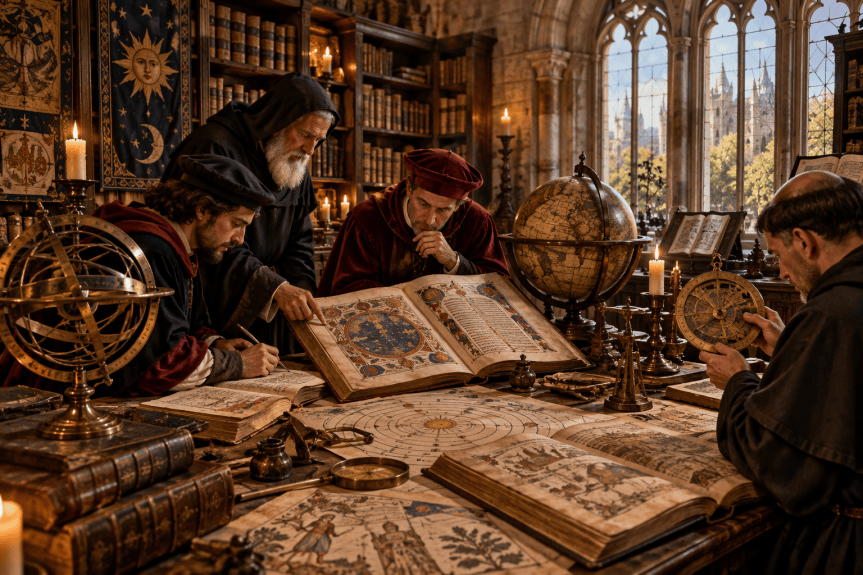
There is a tendency to react to a course like this with amusement or scepticism. Yet a closer look reveals a serious interdisciplinary programme that examines how magical and esoteric ideas have influenced everything from medicine and science to literature and religion.
After all, many of the distinctions we make today between science and mysticism did not always exist. Alchemy helped shape chemistry. Astronomy and astrology once occupied neighbouring intellectual territories. Medicine frequently involved ritual as well as observation.
Dragons: The Module That Captured My Imagination
The Western Dragon in Lore, Literature and Art
Of all the optional modules available, one immediately caught my attention.
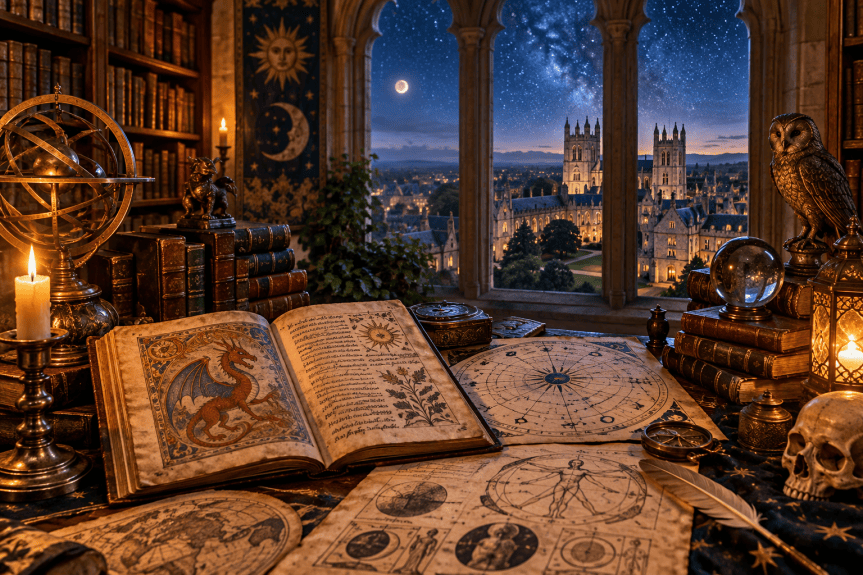
The Western Dragon in Lore, Literature and Art examines the dragon’s evolution from ancient Near Eastern mythology through Classical civilisation, medieval Christianity, folklore and literature.
As regular readers of HuwSpace will know, I have long been fascinated by dragons.
Not because I believe they once existed as physical creatures, but because they tell us something important about humanity itself.
Dragons appear across centuries and cultures. Sometimes they embody fear. Sometimes wisdom. Sometimes greed, transformation or chaos. They are mirrors reflecting what societies value and what they fear.
Understanding Mental Health Through History
Mental Health in Social and Historical Context
One of the most fascinating aspects of the programme is its willingness to challenge modern assumptions.
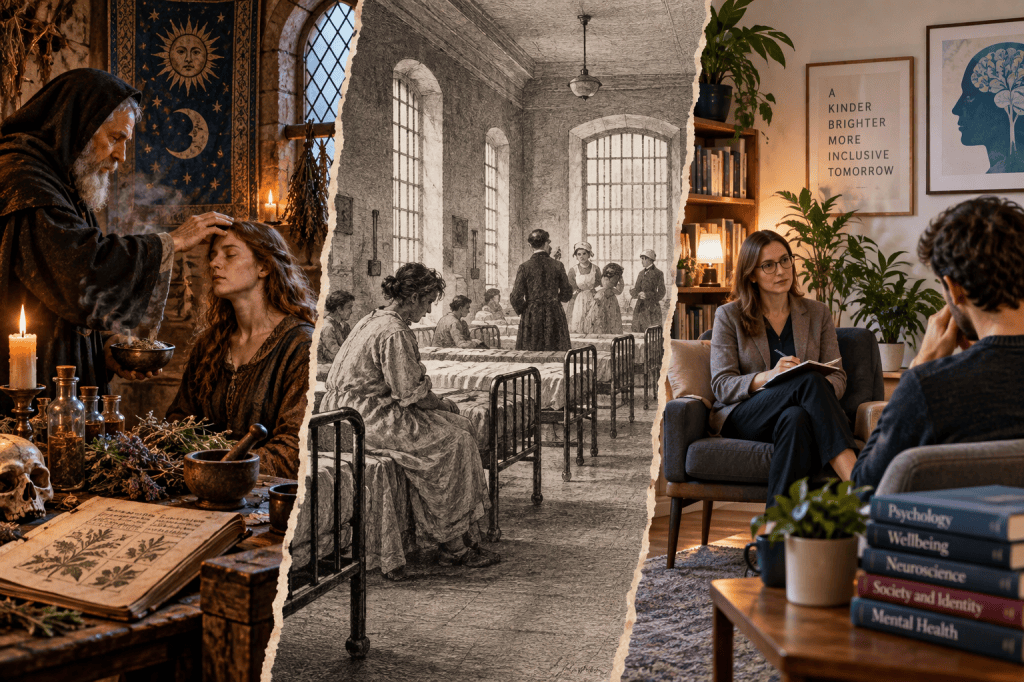
The Mental Health in Social and Historical Context module examines how different societies have understood mental health across time and culture. It explores connections with social justice, colonialism, migration and changing social environments.
This approach encourages us to recognise that experiences we define one way today may have been interpreted very differently in earlier periods.
Rather than presenting a single answer, the module invites students to investigate how human societies construct ideas of wellness, illness and consciousness.
Philosophy, Consciousness and Psychedelics
One of the Most Unusual Modules on Offer
Perhaps the most surprising module is Philosophy and Psychedelics.
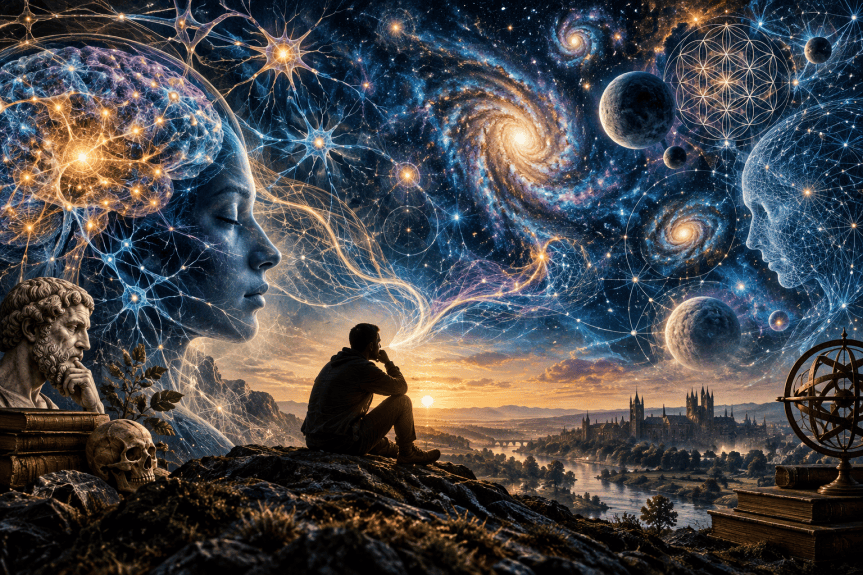
The course explores philosophical questions surrounding consciousness, perception, ethics, freedom, identity and the nature of reality itself. Using the contemporary revival of psychedelic research as a lens, it asks some of humanity’s oldest questions.What is consciousness?
What makes us who we are?
How do we distinguish perception from reality?
What role should society play in regulating altered states of consciousness?
These are profound philosophical questions that have occupied thinkers for millennia.
The Challenge of Studying Magic
One reason this degree appeals to me is its acknowledgement that historical interpretation is often uncertain.
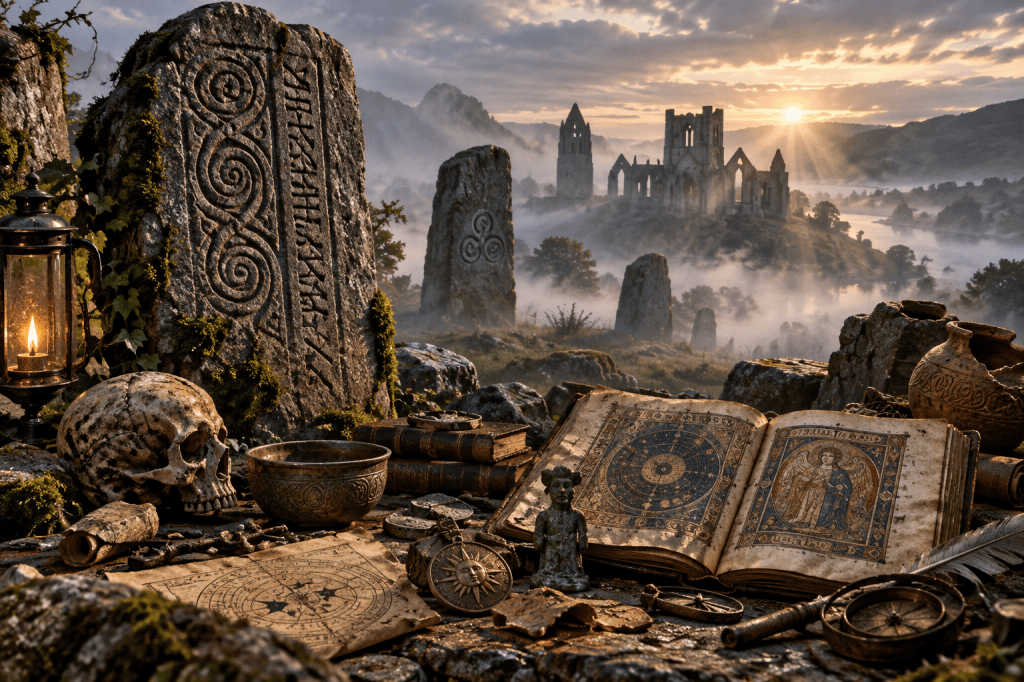
When studying folklore, mysticism and magical traditions, researchers are examining fragments of worlds that no longer exist.
Languages change.
Symbolism evolves.
Contexts disappear.
What we understand today as “magic” may not accurately reflect how people in the past understood their own experiences.
That uncertainty is not a weakness.
It is part of what makes the subject so fascinating.
Why Exeter Deserves Credit
The most positive aspect of this degree is not the subject matter itself.
It is Exeter University’s willingness to support intellectual curiosity.
At a time when universities are often judged solely on career outcomes and economic metrics, programmes like this remind us that higher education should also explore culture, humanity, imagination and belief.
The course demonstrates confidence in the idea that unusual questions can lead to valuable insights.
Final Thoughts
The MA in Magic and Occult Sciences is not really about magic.
It is about understanding humanity.
It explores why people create myths, seek transcendence, tell stories, search for meaning and attempt to understand experiences that seem to lie beyond ordinary explanation.
For me, the modules on The Western Dragon in Lore, Literature and Art, Mental Health in Social and Historical Context, and Philosophy and Psychedelics represent exactly the sort of adventurous academic thinking universities should encourage.
Though I would love to spend a year studying dragons, folklore, mysticism, and consciousness in Exeter, I am not in a position to study in that way. I find reading and memorising books incredibly difficult due to my dyslexia and have found AI an absolute godsend in helping to free me to write blog posts on issues that interest me, that I love to explore and ask questions around. I do not have a degree and don’t think I could ever achieve one; I have tried studying at university level a few times, but each time I have been overwhelmed by the whole experience, which is in itself a sad story for another day.
The fact that such a degree now exists feels less like an academic curiosity and more like a reminder that the most interesting questions are often the ones that sit at the intersection of history, imagination and human experience.
I am also very grateful and blessed though to have the world wide web at my fingertips and explore almost any area of human philosophical, spiritual, social, political and economic area such as I see fit at the touch of a button on my computer.


You must be logged in to post a comment.