
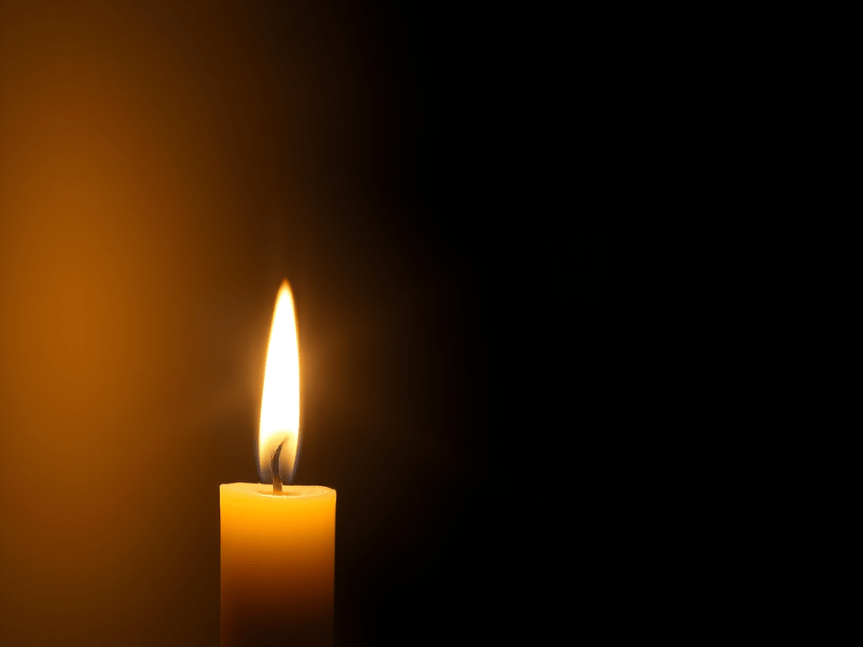
The “skill psychologically of lighting up the dark” can be described as resilience and learned optimism, which involves acknowledging difficult emotions (the “darkness”) while actively cultivating hope and developing practical skills to navigate challenges and promote well-being. This concept draws on various psychological principles, including Jungian psychology and positive psychology.

Key Psychological Concepts
- Balance of Opposites (Jungian Psychology): Psychologist Carl Jung noted that light and darkness coexist; one cannot exist without the other. The “skill” involves achieving a healthy balance rather than trying to eliminate darkness entirely. It suggests that there is value (or “gold”) to be found in understanding and integrating one’s “shadow” side (repressed or unacknowledged parts of the personality).
- Resilience: This is the mental and emotional ability to adapt to adversity, trauma, tragedy, threats, or stress. It is a key skill for navigating the “dark times” in life, enabling individuals to bounce back from challenges and learn from them.
- Learned Optimism: A concept developed by Martin Seligman, this skill involves intentionally changing one’s perspective and challenging automatic negative thoughts. It is about how we interpret events, not changing reality itself.
- Hope as an Active Mindset: Hope is not a passive emotion but an active mindset that involves setting goals, identifying pathways to achieve them, and maintaining a positive outlook even amidst obstacles.
- Emotional Regulation and Processing: The ability to sit with pain and uncertainty, process difficult emotions, and avoid “toxic positivity” (dismissing genuine suffering) is crucial for healing and growth.

Skills and Strategies
Cultivating the skill of “lighting up the dark” involves several practical strategies:
- Awareness and Acceptance: Acknowledging and accepting the reality of one’s inner and outer “dark spaces” (sadness, fear, uncertainty) is the first step toward finding a path forward.
- Practicing Gratitude: Actively looking for things to be grateful for, even in difficult times, can build a more positive outlook.
- Seeking Support: Reaching out to others and leveraging empathy from friends, family, or professionals can provide the “candle” needed to find one’s way through challenging times.
- Self-Care and Self-Compassion: Prioritizing physical and mental well-being (sleep, nutrition, exercise) and treating oneself with kindness helps build the necessary energy and resilience to cope with challenges.
- Mindfulness and Reflection: Engaging in self-reflection through methods like journaling helps identify negative patterns and work through emotions.
- Purpose and Action: Focusing on solutions, contributing to the well-being of others (kindness), and engaging in goal-oriented behavior can provide meaning and purpose during difficult periods.
Ultimately, this skill is about acknowledging the dualism of light and dark within human experience and developing the psychological tools to navigate this balance effectively for overall well-being.

 Welcome to Huwspace
You must be logged in to post a comment.