
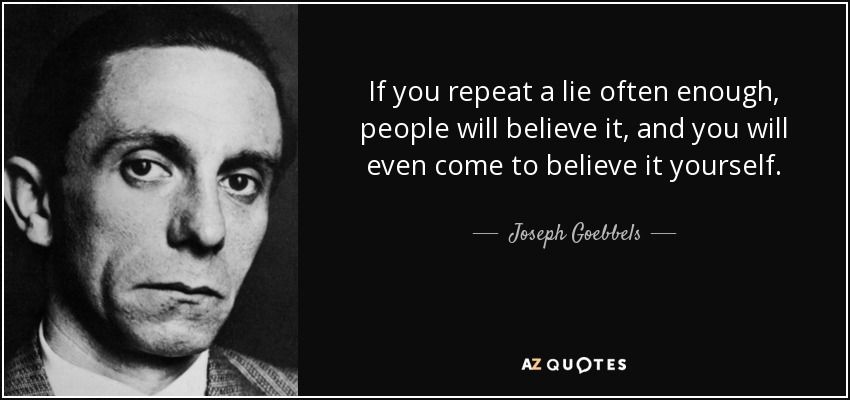
So does honesty and integrity matter in politics and why are people constantly let down?
Honesty and integrity matter deeply in politics because they form the foundational bedrock of public trust, democratic stability, and effective governance. When political leaders lack these qualities, the social contract between the government and the governed fractures, leading to systemic public apathy, cynicism, and the decay of democratic institutions.
Despite how crucial these values are, citizens worldwide are constantly let down by their leaders due to a complex mix of systemic pressures, psychological biases, and the shifting nature of modern political warfare.
Why Honesty and Integrity Matter
- Preserving Democratic Legitimacy: In a democracy, citizens cede power to elected officials on the condition that those officials will represent their interests honestly. When politicians lie, they deny voters the accurate information needed to make informed choices, effectively undermining the democratic process.
- Effective Policy and Crisis Management: Complex issues—like national security, economic crises, or public health—require realistic, evidence-based solutions. When integrity is absent, policy decisions are driven by personal gain, corporate lobbying, or ideological fantasy rather than the actual public good.
- Social Cohesion: Leaders set the cultural tone for a nation. When top officials escape accountability for dishonesty, it signals to the rest of society that rules are optional, corrupt practices are necessary to succeed, and looking out for oneself is the only logical path.

Why We Are Constantly Let Down
The disconnect between what voters expect and how politicians behave stems from several powerful structural and behavioral factors:
1. The Perverse Incentives of Modern Campaigns
To get elected, politicians must build broad coalitions, which often requires making grand, utopian promises. Once in office, they face the reality of economic constraints, institutional checks and balances, and the necessity of political compromise. A politician who is brutally honest about the sacrifices required to solve complex problems is often defeated by an opponent willing to tell voters exactly what they want to hear.
2. Media Fragmentation and “Win-at-All-Costs” Politics
Politics is increasingly treated like a zero-sum game or a blood sport. Parties and candidates frequently justify distortions, strategic concealment, and outright lies by arguing that the “ends justify the means”—that preventing their political opponents from taking power is more important than strict adherence to the truth.
3. Psychological Biases of Voters
Psychologists note that human beings are inherently disadvantaged when it comes to holding politicians accountable:
- The Trusting Bias: Our default psychological mechanism is to believe rather than disbelieve information, making us easy targets for deceptive leaders.
- Cognitive Laziness: Fact-checking requires time and effort. If a politician says something that aligns with our pre-existing worldview, we rarely take the steps to verify it.
- Audacious Lying: Oddly, highly outlandish or audacious lies are often highly effective. People frequently assume that a statement is so specific or bold that it must have some basis in truth.
4. Flawed Candidate Selection Systems
The public rarely gets to choose their candidates from scratch. Political party apparatuses and internal selection committees often act as gatekeepers, frequently prioritizing loyalty, ideological purity, and fundraising ability over real-world competence, experience, and ethical track records.
5. The Evolution of “Authentic” Deception
Over the last few decades, highly polished, media-trained politicians created a widespread public perception that standard politics is just a mask for strategic concealment. This has given rise to a new era of populism, where a leader who tells blatant, obvious lies can ironically be perceived as more “authentic” and “honest” because they openly defy traditional political norms and polite establishment filters.
People seem to be either incredibly gullible more often than not or peddled lies that they desperately want to believe. The common thread of an economic lie is that there will be less tax spent for better services and your life will be improved while the politician actually seeks to line his or her own pockets with increased wealth and prosperity at the expense of the electorate. Also the bigger the lie the more tempting it is to believe.


