
On February 2020 I started my huwspace.com blog and have had a great deal of enjoyment expressing myself on this site. With music, thoughts and films that are close to my heart that express who I am and write about my perspective on what is going on in my life and in the world. 2020 onwards has been a crazy time really and the 2020’s decade has been one in which so much has happened it’s like the world is going too fast and there is no chance of jumping off at all as we are here for the ride or until our song stops being written or sung.

My mental health has been at times a challenge to during this time. It’s sometimes difficult to know who I am where I fit in and where I belong. This year I am 50 in July a milestone if ever there was one. I have lived in my home now since 2012 in Exeter and it really is a home and base for me which I important to me. I was born in Wales in 1976 and first moved to Devon in 1982 to the village of Spreyton a place which has been a home from home. Though I know I am Welsh and love watching Wales play rugby I also feel strongly a part of Devon due to the roots I have put down here and friends made too.
Being the youngest Edwards in Devon now at what feels like a ripe old age of 49 is a strange experience to have my mum and me enjoy our life here but it feels sad that we are the last parts of the family that moved to Devon left here. It is a wonderful place which I feel very grateful to be living and would not want to live anywhere else for sure.

Challenging start to the New Year with the experience of loss of loved ones gone but never forgotten.
Sadly on the 6th January we lost my mother’s brother or my uncle Paul Hughes a lovely man with a big heart. He had battled dementia in the last year of his life which is a cruel occupier of the mind and body. Uncle Paul reminded me very much of my Grandpa Hughes his father Bill Hughes they both had the same look and sound to their voice and as I spent many a found Christmas with my Grandpa Bill Hughes seeing and hearing Paul Hughes would often remind me of those more innocent and happier times.
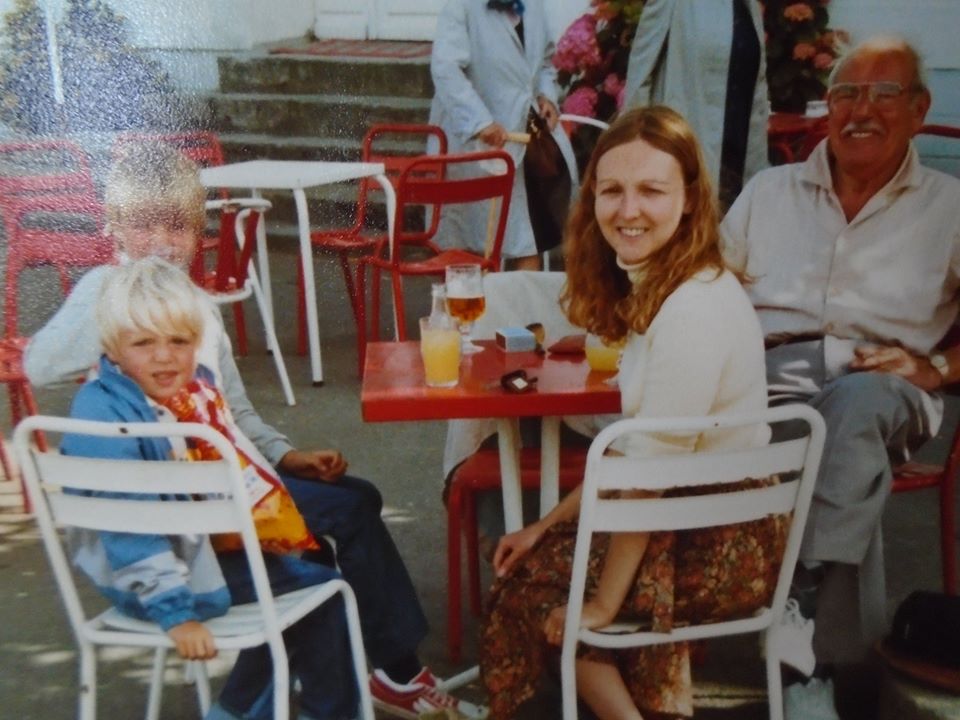
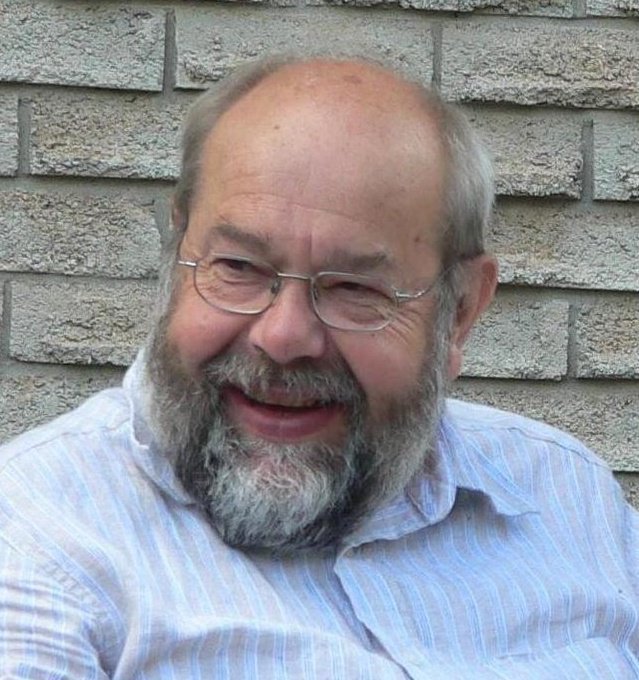
Then sadly we learned that on the 17 January a very lovely soul Jacqui Leigh lost her battle with cancer she was a loving and kind soul that it was also felt hard to hear of her passing. She has four children and her husband that will now very much be missing her considerably as will we.

Being male, it could be manflu or a virus or something else not very nice. All I know is that I have had a varity of different symptoms since about Christmas Eve from a blocked nose to, sneezing and then flem on the chest. While also feeling hot and very tired and warn out and sleepy.
Its Chitstmas though and so i have spent much of the time at my mums house in bed not having to worry about work or what I need to do next and so this illness for want of a better description has not been to psycologically bad. I would be greatful if I do not pass it to my mum before i leave to head back to my own home and also it woudl be nice to shift it from me so that I have more energy.
I have nearly two weeks of work at present and although there were a few things I cannot do that were not set in stone its not been too bad. Normally when I am off work ill i feel like i am letting people down where as thsi time was booked off to relax and so the cold has taken upholiday residence in me.
This is a time of year where I sometimes get reflective and think back to what has happened in the year and look forward to the next but that is not really where my head is at right now. I do want to count my blessings though and be very greatful for what I have and hopefully what I can give back.
President Trump is described as “delusional” by mental health professionals, political commentators, and world leaders due to his persistent assertion of claims that directly contradict documented facts. These descriptions often center on several key behaviors:
Clinical and Psychological Perspectives
Recent Examples and Actions (2024-2025)
Debates and Counterpoints
I spent some time at mums this weekend where we have been getting out some Christmas decorations and putting up Christmas trees. Dad will not be around this year and with us losing him at the beginning of this year and him becoming unwell last Christmas with his last pint being on Christmas eve in a pub out with me and his last full meal being on Chirstmas day it will be da different sort of feel to Christmas.

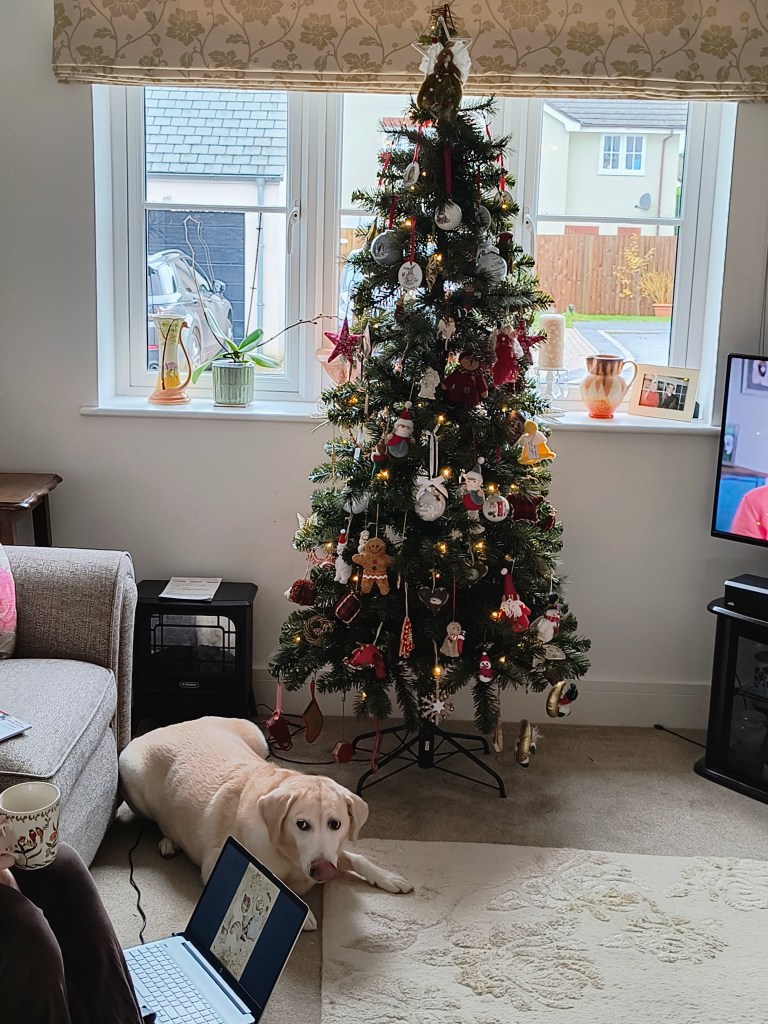
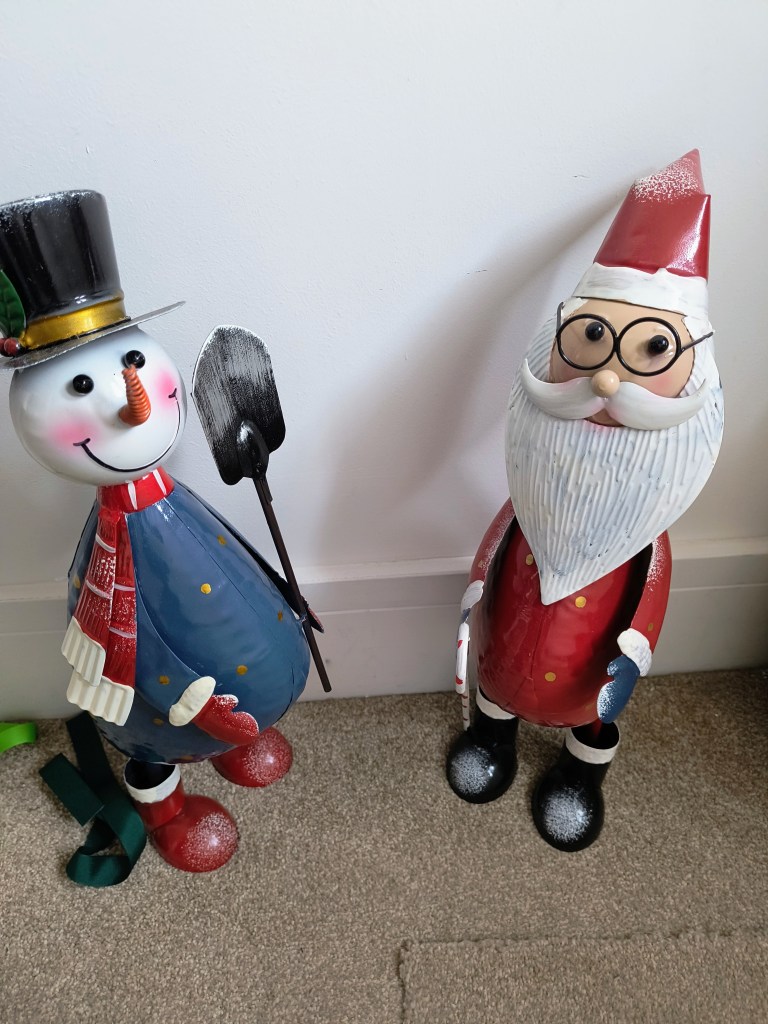
When I got home this afternoon I decorated my first tree in my own home. I wanted to do it this year as with things being different so I fancied a change myself and getting a tree putting it up and decorated it will bring a little Christmas cheer into my home though it won make up for the storm clouds we faced last year.
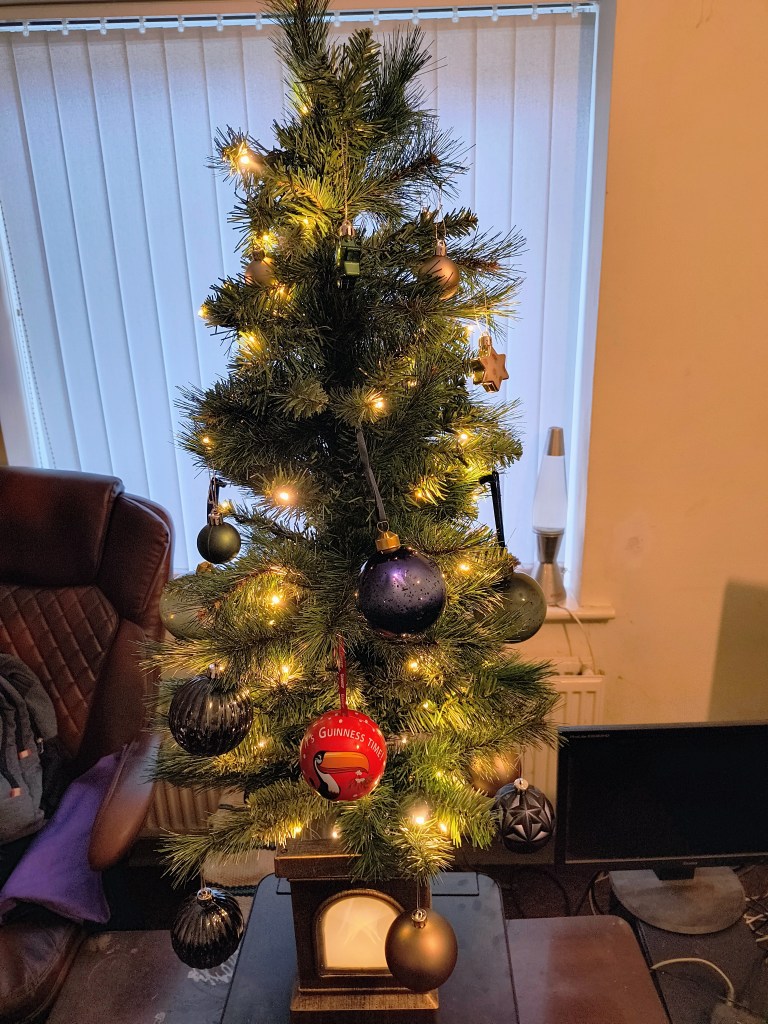
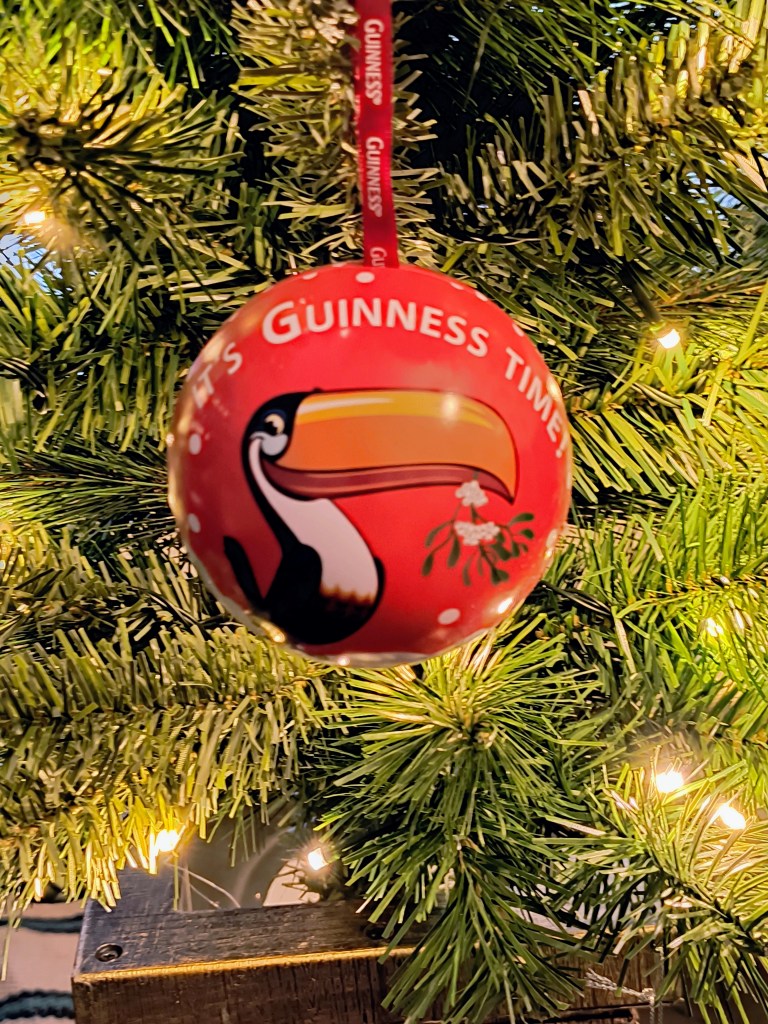

My brother would have been 53 this year on Saturday November 29th

Had by brother survived his moment of madness, when he took his own life I know there would have been so much more joy to have come through and for him in his life path no matter which road it could have led him down. I was doing a Google search about him tonight as I know there was information on him on the internet about being a paranormal investigator and wondered what I migth still find.
I found the video below which I just find too spooky to watch myself of my brother from beyond the grave talking to ghosts. Its just a bit too spooky and close to comfort for me to listen and watch. I know he is still around and sends me and mum signs of his presence, for me it might be buggering around with the electrics on my nights out singing karaoke, as if he is having his moment up on the stage up there with me too, when I get up and sing. I can often get electric lights flickering next to me for no apparent reason too and it often makes me think it’s simply him saying hello bro.
I know there are lots of people that don’t believe in the supernatural and they believe it to be either fraud or coincidence. But for me though not religious I am very much a spiritual person and believe and hope that right and light will triumph over wrong and darkness wherever and whenever it must or can.
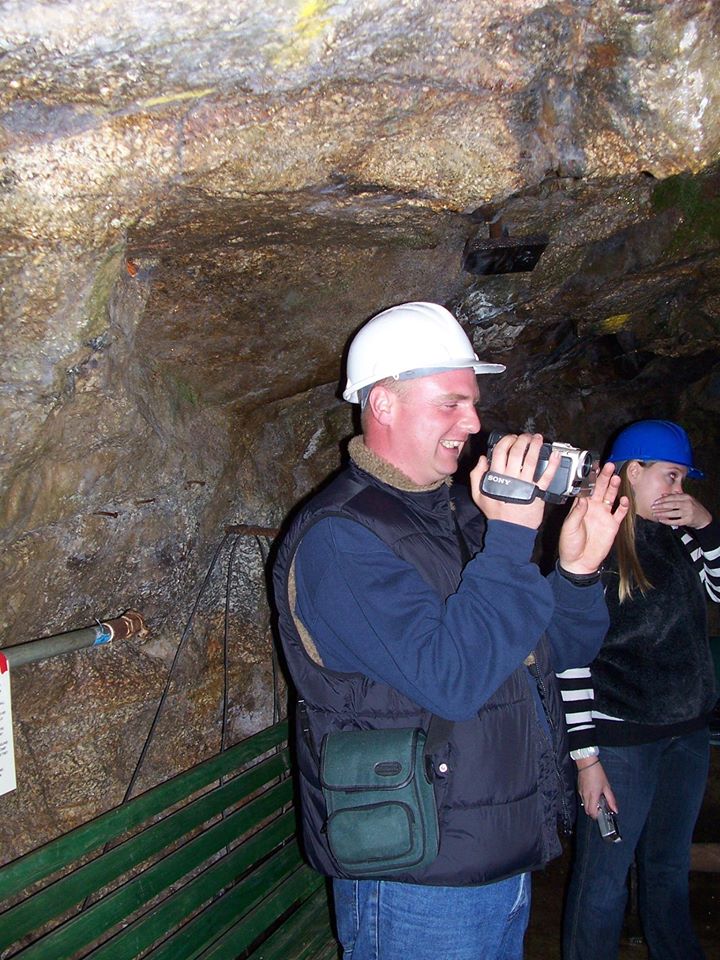
Furthe rinformation on this page on youtube says the following – This was filmed in 2010 at Poldark Mine Cornwall UK. with GHOST UK. A team of Paranormal Investigators – Andy “Ed” Edwards, Sophi Beharrell, Jeanette “Nettie” Tasker & Simon Colgan. (Simon was unavailable for this investigation) This was the first time we had used the Ghost box aka Spirit box in the mine with amazing results. We have investigated many places, but found the mine to be a perfect place to use the Ghost box. We have experienced the draining of the batteries from our equipment many times, but you can see from this investigation this also happens with Soph’s Video Camera. Thanks for watching.
The “skill psychologically of lighting up the dark” can be described as resilience and learned optimism, which involves acknowledging difficult emotions (the “darkness”) while actively cultivating hope and developing practical skills to navigate challenges and promote well-being. This concept draws on various psychological principles, including Jungian psychology and positive psychology.

Key Psychological Concepts

Skills and Strategies
Cultivating the skill of “lighting up the dark” involves several practical strategies:
Ultimately, this skill is about acknowledging the dualism of light and dark within human experience and developing the psychological tools to navigate this balance effectively for overall well-being.
The phrase, “The poor will always have you,” is an inversion of a well-known quote from the New Testament of the Bible, which in modern translations generally reads, “The poor you will always have with you“.
This statement is recorded in the Gospels of Matthew (26:11), Mark (14:7), and John (12:8), and is part of Jesus’ response to his disciples when they object to a woman anointing him with expensive perfume that could have been sold to help the poor.
Origin and Context
Jesus’ statement is a direct allusion to Deuteronomy 15:11 in the Old Testament, which states, “For there will never cease to be poor in the land; that is why I am commanding you to open wide your hand to your brother and to the poor and needy in your land”.
Meaning and Interpretation
When Jesus said this, he was not dismissing the plight of the poor or suggesting that poverty is an unchangeable fate to be ignored. Instead, the original context highlights several points:
In summary, the phrase is a reminder of the perpetual existence of poverty in a fallen world and a constant call for believers to show ongoing compassion and generosity, but it also establishes the importance of wholehearted devotion and worship of Christ.
I am not normally one for looking to biblical texts for inspiration but this just struck a cord with me this morning. Although I am employed (happyish in my work) receive enough pay to keep a roof over my head and to try to save money for rainy days and buy goods and services that I think I need in my life, there is very little leftover to do anything else with after that.
Not that I need more money for myself but there is also a complete lack of employment opportunities to move up any form of career ladder nowadays across Britain, even if I made the time and effort to apply for other jobs. Unlike in my youth, administration manager roles or project support staff roles roles just no longer exist in a way like they used to. I know people with a desire to work that are finding it extremely difficult to step into employment now and have never witnessed an employment market as difficult and competitive as the one that exists today.
There are ways and means of getting into work and you must go the extra mile if unemployed every time to prove your worth to potential employers. I have always looked to work in a place of my choice doing something that interests me as a volunteer when out of work and that has always proved so far to be an excellent stepping stone to employed work and also a huge motivator to get out of bed and rewarding me with enjoyment and self respect.
I had up until recently been contributing small amounts or money each month to the Green Party and also a charity called International Rescue. I stopped those payments recently and it has to some extent been playing on my mind. How can someone like me help people those with less than what I have.
I would like to think there are many ways I can continue to help others. Such as how I vote, what I advocate for in the political system. What I say on my blog, what I believe in and live by. Helping a friend with less cash than me with a drink on a night out or making sure they have enough money to safely get a taxi home or other little things like that are small wins that help the people that I respect and want to support.
Poverty has felt like a real life possibility for me at times one which could if I am unlucky enough or we are all propelled into some cataclysm come back top haunt me. I was homeless (for a very short time myself once, which lead to me having the home that I have now lived in for over 15 years provided by a housing association which I now also work voluntarily for on a scrutiny panel to help improve the housing association for others, they have helped me so I am helping them now. I have always found in life that when I can not afford to give to a charity or good cause financially I can always make up for by giving my time and effort instead.
I have also been on benefits in the past when out of work or unwell with which without which I could have had nothing although saying that I have always had the love and support of my parents. They will not always be around to help me though which does make me focus my mind on ensuring I am there to stand on my own two feet on my own. To think of safety nets is not just theoretical for me but absolutely vital in order to have gone from where I was to where I am today.
To pay my way in life and hold my own not relying on anyone now financially but myself is a huge achievement to me. Though some might see holding your own and paying your way as perhaps a form of failure to me it is a genuine success. Well it must be some kind of religious quotes day for me so I will bail out with another interesting quote from the bible. “Blessed are the poor in spirit, for theirs is the kingdom of heaven”.


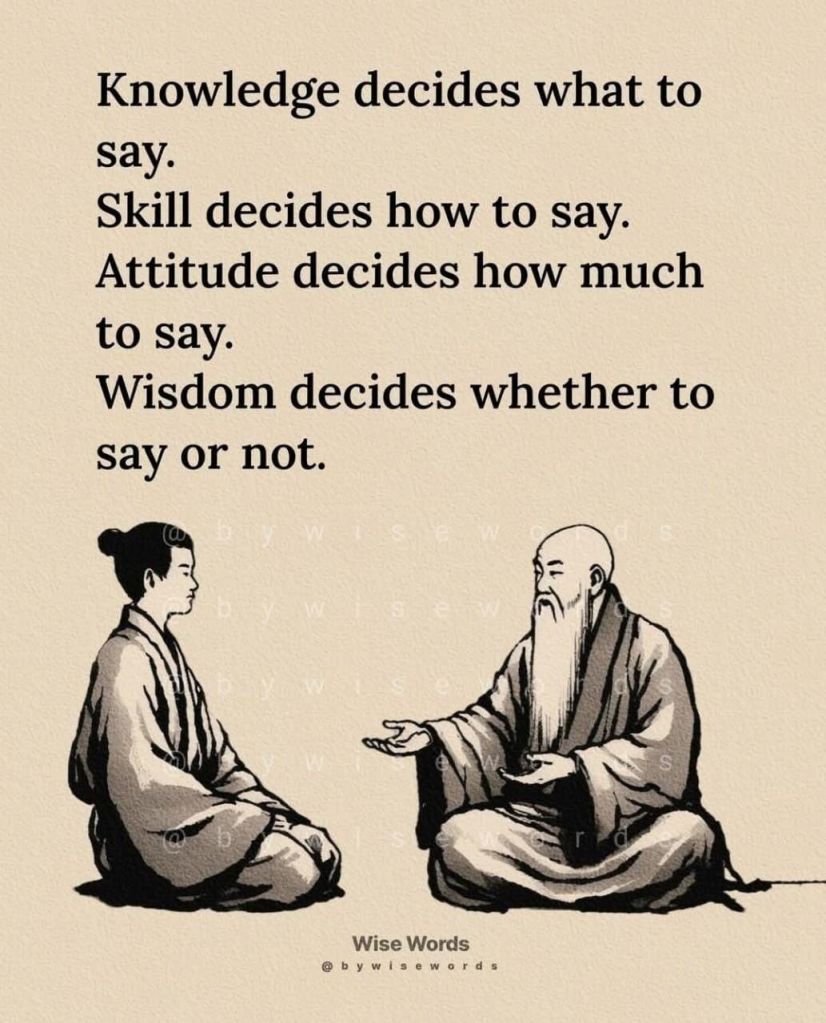
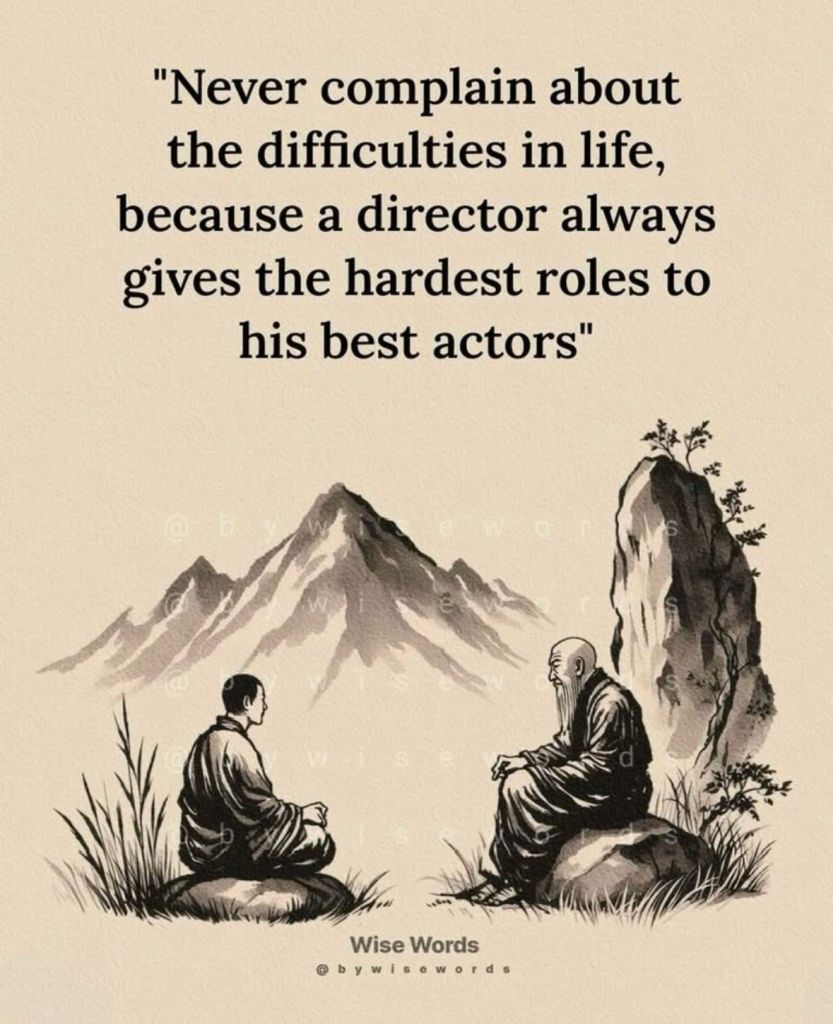











 Welcome to Huwspace
You must be logged in to post a comment.