

The UK economy consists of workers, unemployed and those that profit from the status quo.
The UK economy in 2026 is characterized by a high-inequality structure where the richest 1% own roughly 21% of wealth, while over 14 million people live in poverty. A weakening labor market has seen unemployment rise to 5.2% with over 9 million economically inactive, often due to long-term sickness, while corporate profits have contributed significantly to cost-of-living pressures.
Those that Work (75.0% employment rate): As of Oct-Dec 2025, approximately 34.24 million people are in work, though the labor market has loosened, with payrolled employees falling in early 2026.
Those that Don’t (20.8% inactivity rate): Economic inactivity remains high, driven primarily by long-term sickness, and an aging population, with youth unemployment (18-24) hitting high levels in early 2026.
Those that Profited: Wealth concentration is high; the richest 56 billionaires hold more wealth than 27 million other people combined. This group’s wealth has grown significantly faster than earnings, benefiting from capital growth, while many households face stagnant incomes and high costs.

The UK economy in 2026 is defined by a widening gap between earned income and accumulated wealth, with persistent “economic inactivity” and high levels of wealth concentration among a small minority.
1. Those Who Work (The Employed)
The workforce remains the primary driver of the economy, though it faces significant pressure from “fiscal drag” and rising costs.
Employment Rate: As of late 2025/early 2026, the UK employment rate stands at approximately 75.0%.
Tax Burden: Many workers are paying more in direct taxes due to frozen income tax thresholds (Personal Allowance remains at £12,570), a phenomenon known as “fiscal drag” that brings more people into higher tax brackets as nominal wages rise.
Income Inequality: The top 1% of income taxpayers account for 12.9% of all pre-tax income, while the bottom 10% account for just 0.3%.
2. Those Who Don’t (The Unemployed and Inactive)
This group includes both those looking for work and a historically large number of people who are “economically inactive.”
Unemployment: The unemployment rate has risen to 5.2% (approx. 1.88 million people), with youth unemployment (ages 16–24) being particularly high at 16%–17%.
Economic Inactivity: Roughly 20.8% of the working-age population (over 9 million people) is economically inactive.
Health Drivers: A major driver of this inactivity since 2020 has been long-term health conditions, which remain at historically high levels.
3. Those Who Have Profited (The Wealthy)
Wealth in the UK is increasingly decoupled from active work, favoring those with existing assets like property and pensions.
Wealth Concentration: The top 10% of households own more than one-third of the national wealth, with an average of roughly £2.3 million per person. The bottom 10% have almost no net wealth.
Asset Divide: Total household wealth is over 15 times higher for those who own their homes outright compared to those who rent.
Difficulty of Advancement: In 2008, it took 10 years of typical earnings to move from the middle to the top of the wealth distribution; by 2018, this had increased to 16 years, making it harder for working families to “climb” through labor alone.
Corporate Profiteering: Some analysis suggests a “profiteering crisis,” where corporate profits have outpaced wage growth, further concentrating gains among shareholders and asset owners.
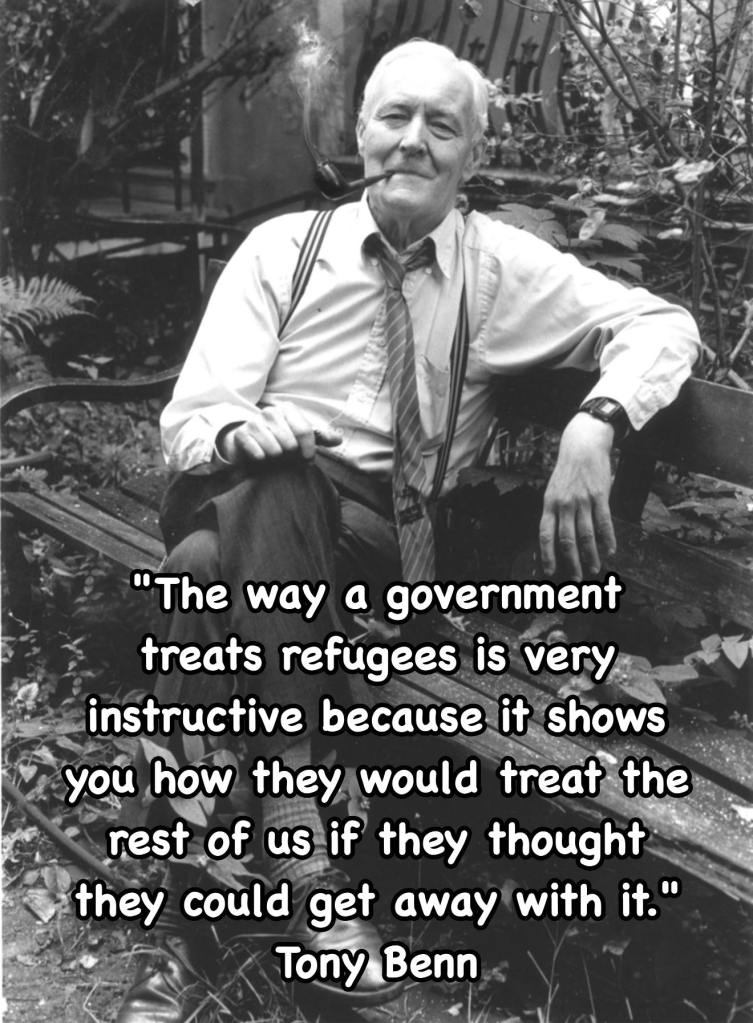
Survive, vote and demand change for the better for you and all.
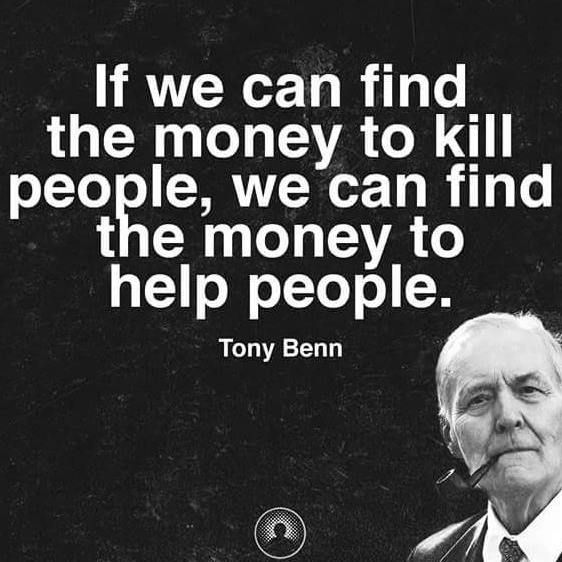
Those of us blessed to live in democracies should vote for and advocate for positive political and economic change. With the rise of the green party as a potential political and economic force for good in the UK this can only be positive for all. Old invested interests will fight hard for the states quo to continue but what even if there reaches a threshold when even the statues quo of profiting at the expense of everything else also ultimately becomes unsustainable then change must and will come. We should vote and advocate for what shape that change must and will be in the form of.
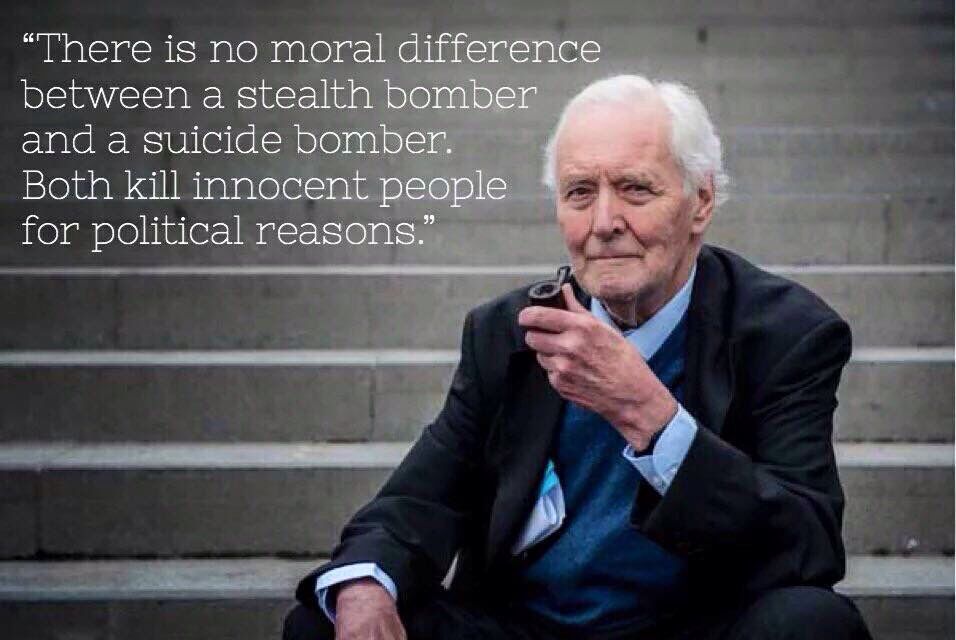
With rising pressures on human employment stability and continued worsening growths in gaps in wealth between those that exploit others and those that are exploited, political change needs to take place to readdress a balance between the humans that have a right to live and exist over those that wish to dominate for their own self interests at the expense of others.



















 Welcome to Huwspace
You must be logged in to post a comment.