Fifty Years of Outrage, Action, and Unexpected Progress
Bad news has always carried a certain gravitational pull — a mix of fear, urgency, and uncomfortable truth that forces us to look up from our routines and confront what’s breaking. But beneath the anxiety and the doomscrolling, there’s a quieter, more powerful reality: reporting on bad news has repeatedly made society safer, fairer, and more humane.
Across the last half‑century, some of the most distressing headlines have sparked the most transformative breakthroughs. When journalists expose systemic failures, environmental disasters, or human rights abuses, they activate a civic alarm system — one that turns passive awareness into organized outrage, and outrage into lasting reform.
This is the story of how crisis reporting has reshaped the world.
🌊 When the Planet Caught Fire: Environmental Justice Begins
How oil spills, burning rivers, and ozone holes forced global environmental protection
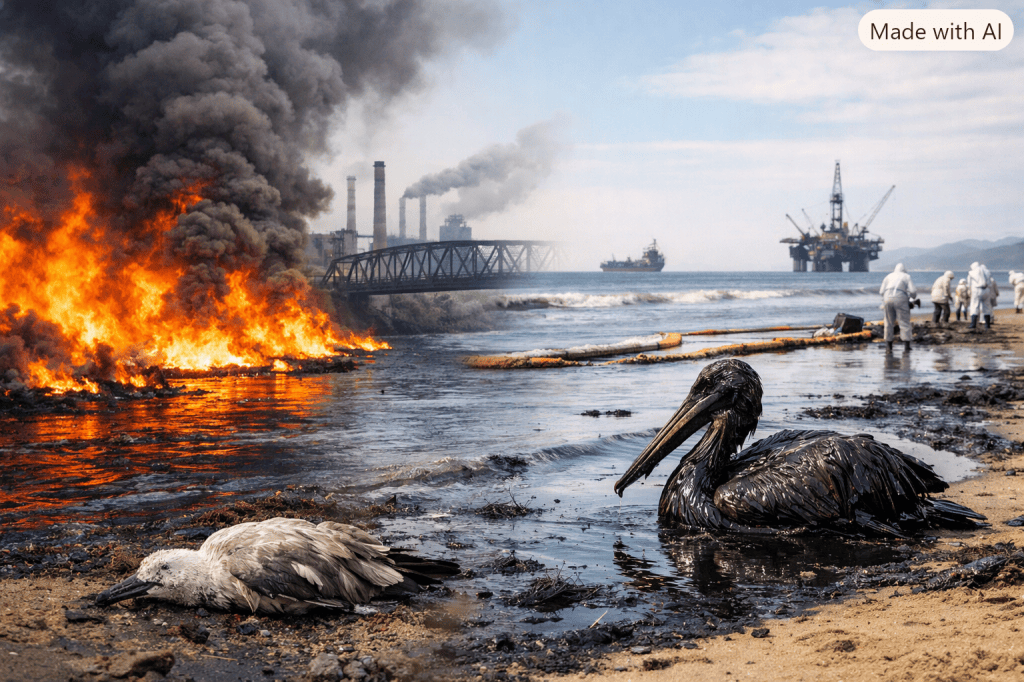
In the early 1970s, the world watched in disbelief as 3 million gallons of oil coated the Santa Barbara coastline and the Cuyahoga River in Cleveland literally burst into flames. These images — thick black smoke, dead wildlife, water that looked more like tar — were impossible to ignore.
“Graphic footage of Cleveland’s heavily polluted river literally catching fire shocked the global public.”
The relentless reporting triggered something unprecedented: 20 million people mobilized for the first Earth Day, pushing governments to create the EPA, the Clean Air Act, and the Clean Water Act.
A decade later, alarmist but accurate reporting on the expanding hole in the ozone layer led to the Montreal Protocol, the most successful environmental treaty in history.
Bad news didn’t just inform people — it forced them to act.
✊ Exposing Injustice: How Media Coverage Helped End Apartheid
The global impact of showing what was never meant to be seen
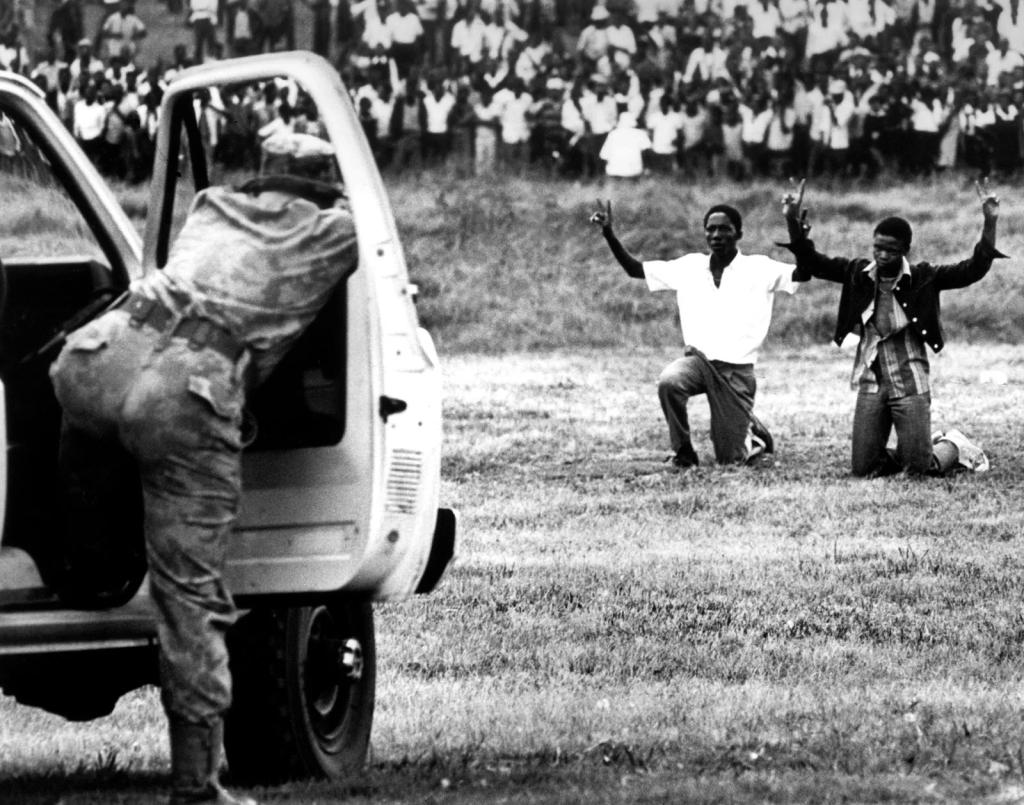
Throughout the 1970s–1990s, journalists documented the brutality of South Africa’s apartheid regime. Images from the 1976 Soweto uprising, where police opened fire on schoolchildren, circulated worldwide.
“Ongoing news coverage of state-sanctioned violence… generated global condemnation.”
The world responded with economic sanctions, cultural boycotts, and political pressure. Internal strikes grew. Eventually, the apartheid government collapsed, leading to South Africa’s first democratic elections in 1994.
Bad news became a megaphone for justice.
🚗 Turning Tragedy Into Law: The Fight Against Drunk Driving
How one mother’s grief reshaped national policy
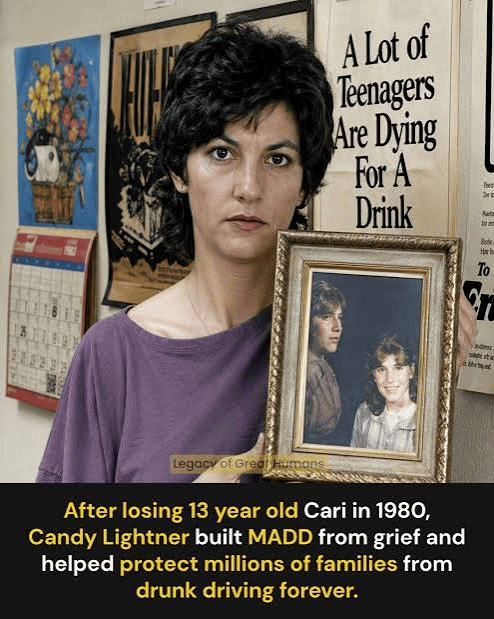
In 1980, Candy Lightner’s daughter was killed by a repeat-offender drunk driver. The news was devastating — but Lightner refused to let the story fade.
She founded Mothers Against Drunk Driving (MADD), using painful statistics and heartbreaking stories to shift public opinion.
“The group used agonizing statistics and news stories to completely shift public perception.”
Within a few years, the U.S. raised the legal drinking age to 21 and enacted strict drunk-driving laws. A national epidemic was confronted because the bad news was impossible to ignore.
🧬 Silence, Outrage, and Reform: The AIDS Crisis
How activists forced the world to pay attention
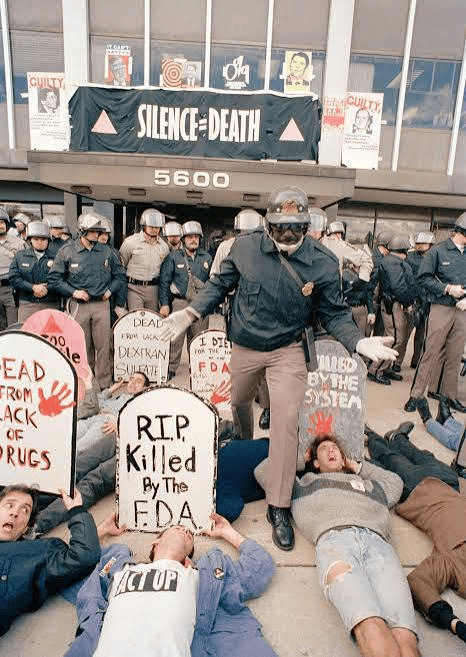
During the early AIDS crisis, thousands of young men were dying — but the media barely covered it. The silence was its own form of bad news.
ACT UP responded with radical transparency: protests, die-ins, and relentless pressure on the FDA.
“ACT UP used radical transparency and public protest to force a massive overhaul of how the FDA tests and approves life-saving pharmaceuticals.”
Their activism permanently changed medical research and patient rights.
Bad news became a demand for dignity.
📊 The Pattern: Crisis → Outrage → Action → Reform
Across all these stories, the same cycle emerges:
Crisis / Bad News
Human Action
Long-Term Impact
Industrial river fires & oil spills
Mass protests & organizing
EPA + Clean Water Act
Apartheid violence
Global boycotts & strikes
End of apartheid
Drunk driving epidemic
Grassroots lobbying
National legal reforms
Ozone depletion
International treaties
Elimination of CFCs
Bad news is not the end of the story — it’s the beginning of change.
🌱 Why We Still Need Bad News Today
The uncomfortable truth: progress requires pressure
Bad news is emotionally draining, but it is also:
A diagnostic tool — revealing what systems fail and why
A moral compass — showing where harm is happening
A catalyst — pushing communities and governments to act
A historical record — ensuring injustices are not forgotten
Without crisis reporting, many of the protections we rely on today simply wouldn’t exist.
Bad news is not a threat to society — it is a safeguard.



You must be logged in to post a comment.